In This Article
It’s often said that good things come in small packages, and this is especially true in a survival scenario. Although it’s wise to maintain a 72-hour bug-out bag and a stocked pantry, carrying a 60-pound backpack at all times is unrealistic. In an emergency, if something isn’t on your person and immediately accessible, it will likely be lost, stolen, or left behind.
This reasoning led a former military serviceman and current law enforcement officer to create Superesse Straps and the Bug-Out Bracelet Pro. During more than a decade in U.S. Army Special Operations Command, he began making simple paracord bracelets to pass time and maintain morale within his team. Over time, the bracelets evolved to incorporate tools that could support military operators, survivalists, and outdoor users.
After deployment, photos posted on social media generated interest and the business formed. He now works in law enforcement, serves in the U.S. Army Reserve, and produces the bracelets at home with assistance from his wife. Each bracelet requires up to three hours to assemble and offers more than 80 configuration options. Buyers can select pre-set packages or order a customized bracelet for specific needs.
The bracelet evaluated here is the top-tier Bug-Out Bracelet (BOB) Pro. It contains 28 individual tools.
Make & Model: Superesse Straps Bug-Out Bracelet Pro
Wrist Sizes: 6.75 to 8.75 inches
Tools Included: 25 to 30+
MSRP: $125 to $195

The BOB Pro tested included the standard tool set plus the navigation add-on and waterproof supply core. Total tools: 28. Nine tools are accessible without disassembling the bracelet; these are addressed first, followed by the internal components.
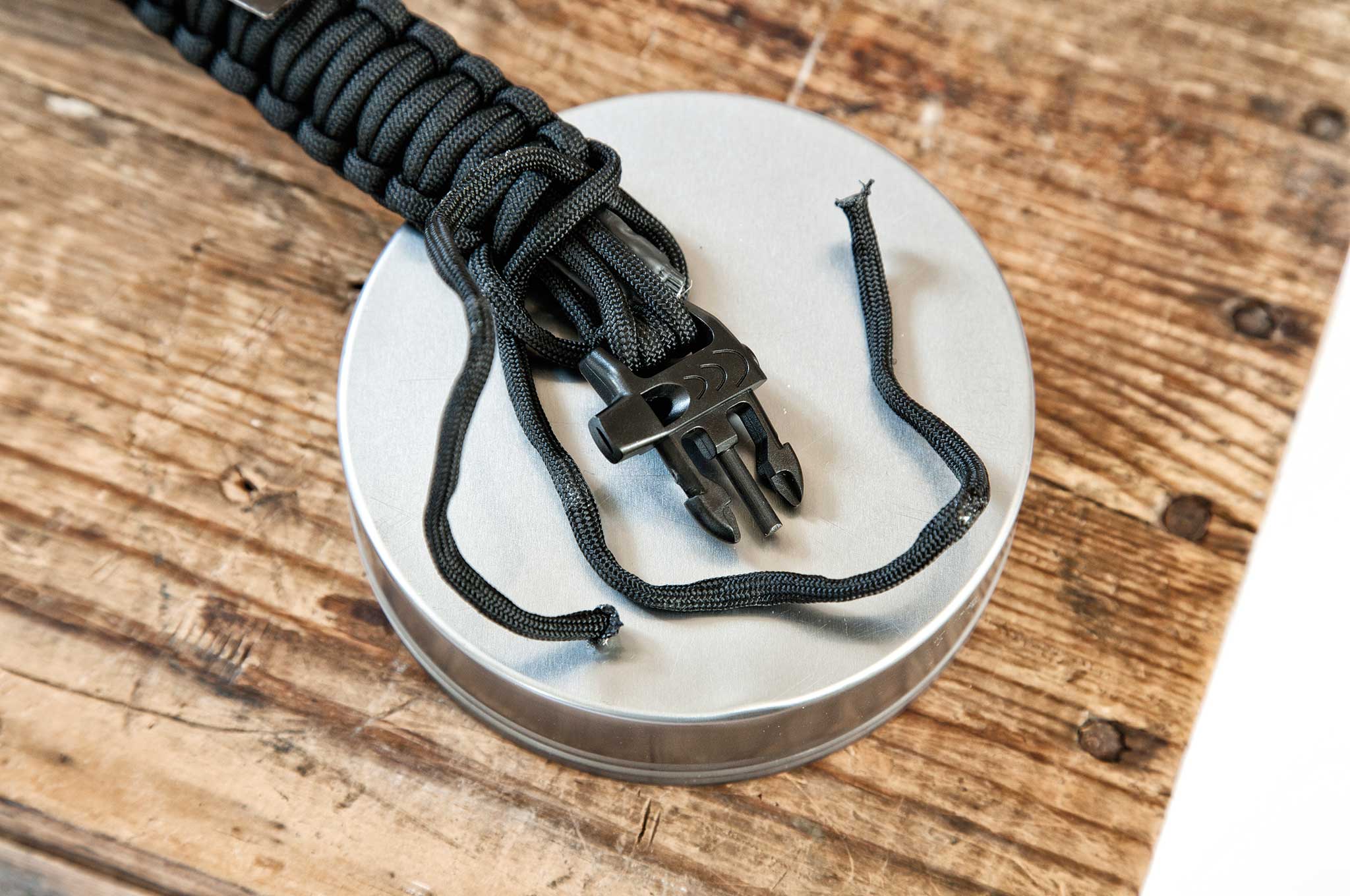
The exterior includes an impact-resistant luminous compass from the navigation package. According to the maker, five compasses were field-tested during military use and this model performed reliably. The buckle also contains a luminous glow surface for low-light map reading.
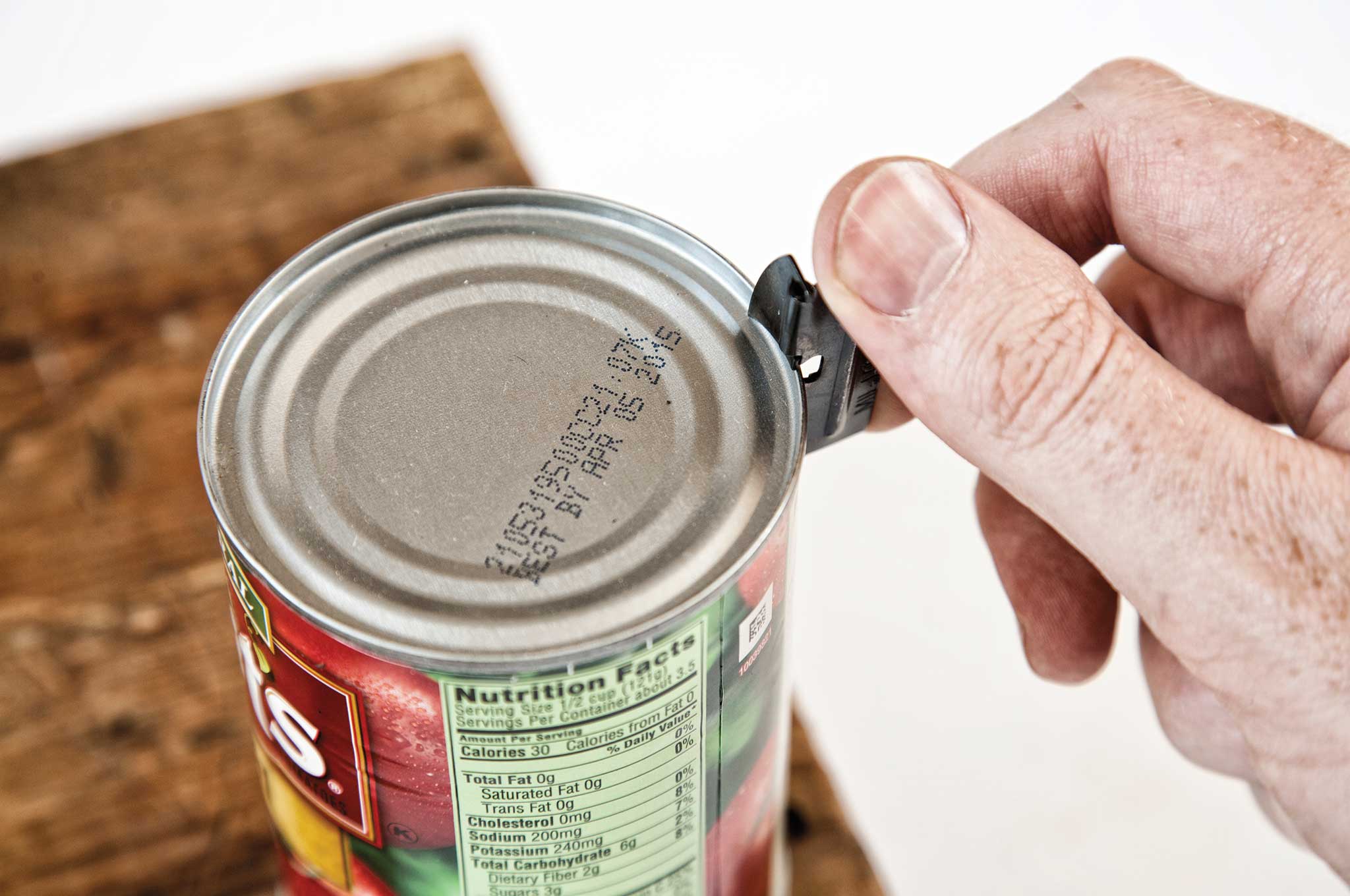
A P38 can opener is secured by two elastic ranger bands. Attached to it is a SOLAS reflective signaling surface for long-distance visual signaling. Another ranger band secures a live-fire wick tinder strand for fire starting in damp conditions. Current production bracelets also include a Kevlar Utility Thread sawing cord beneath the fourth ranger band.
The buckle houses additional tools: the male half contains a whistle and ferro rod; the female half holds a white ceramic striker with a sharpened cutting edge. The elastic ranger bands themselves are combustible and can produce smoke signaling when burned.
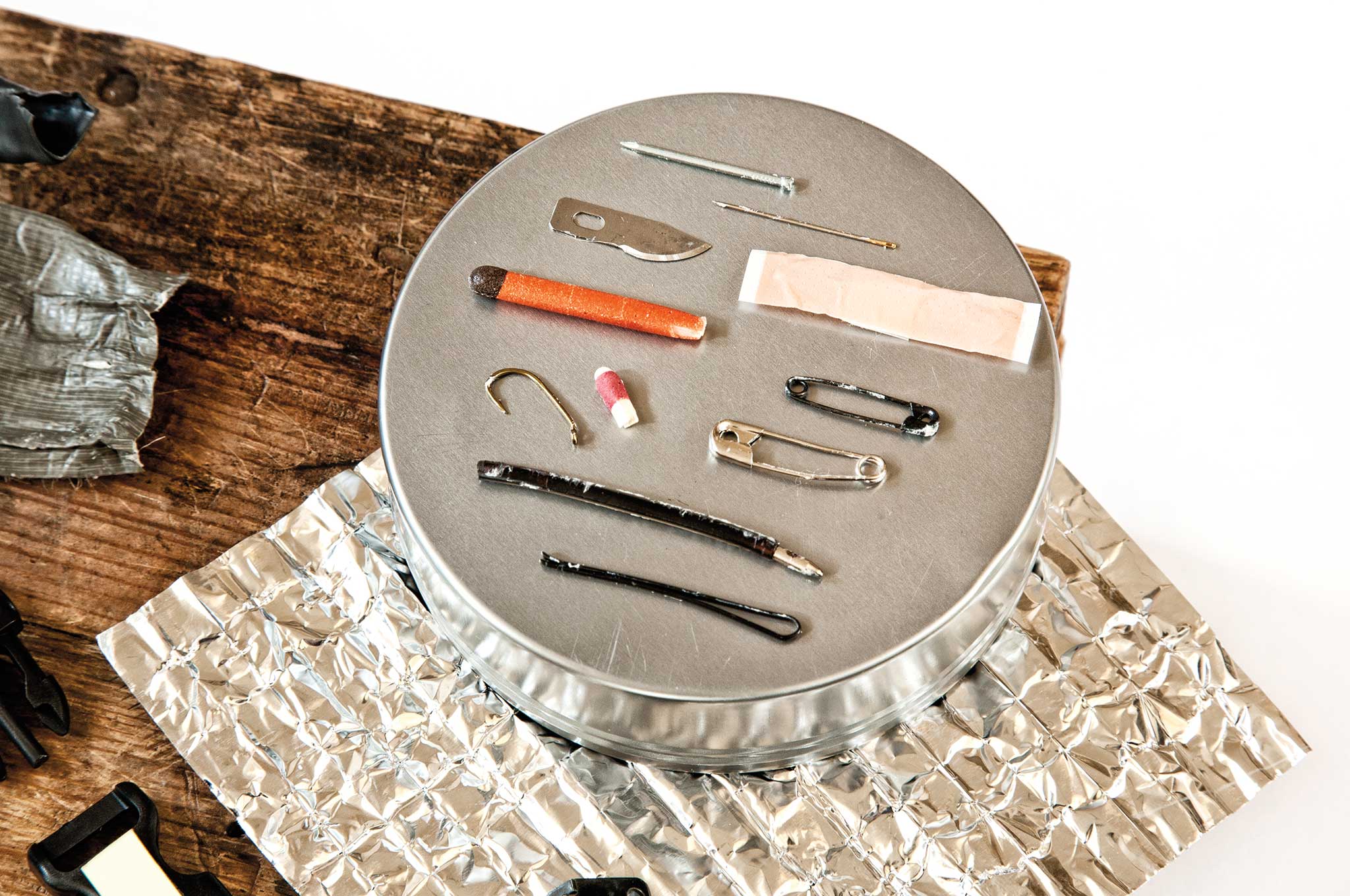
To access the remaining components, the paracord must be unraveled and the core opened. The bracelet cannot be reassembled by the user; however, the manufacturer will rebuild or replace it for a fee after deployment. Disassembly is straightforward: unravel from one end until the core is exposed. The waterproof version encloses the core in heat-shrink, which we cut using the ceramic blade. Inside, the contents are rolled within duct tape.
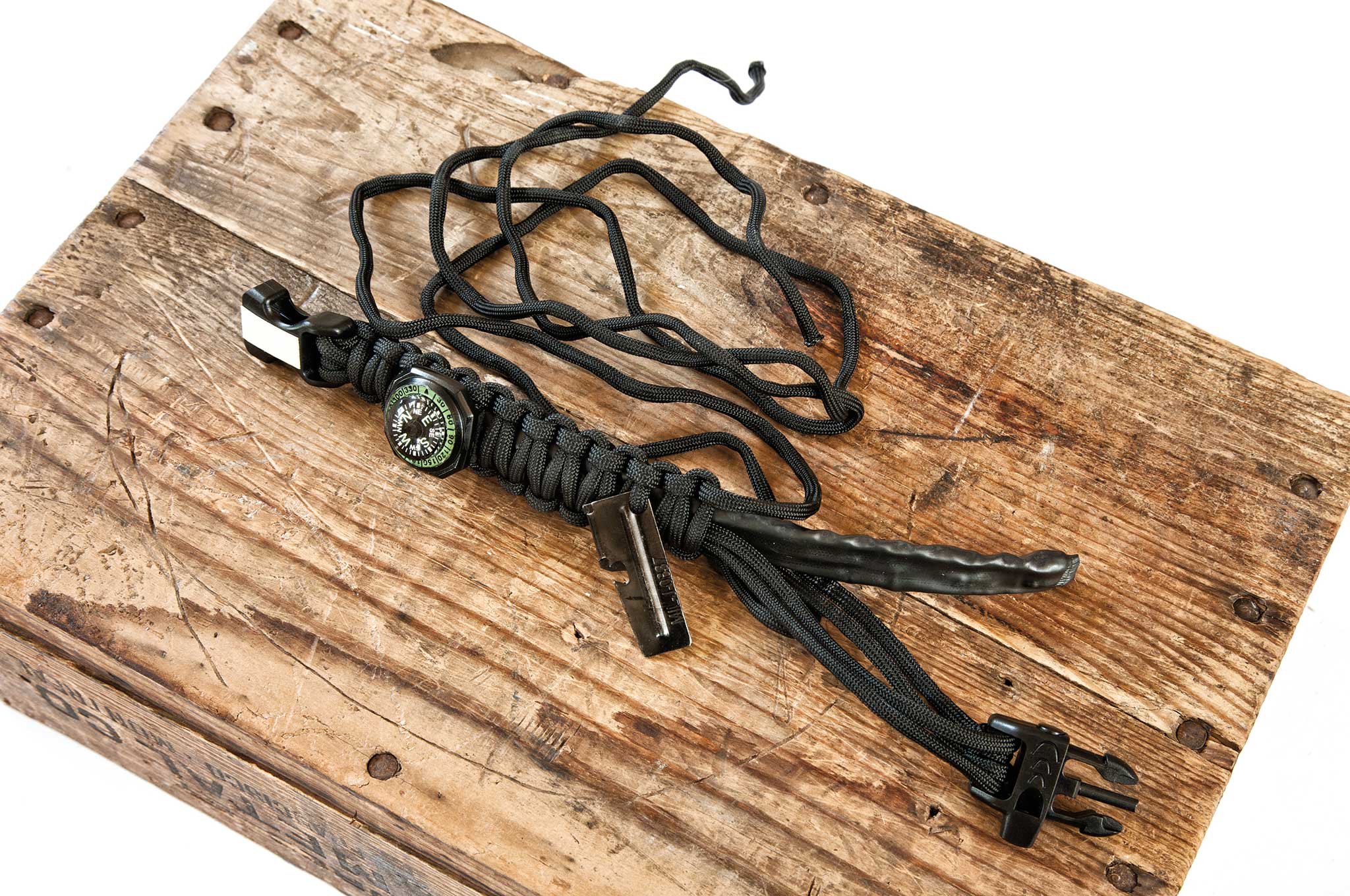
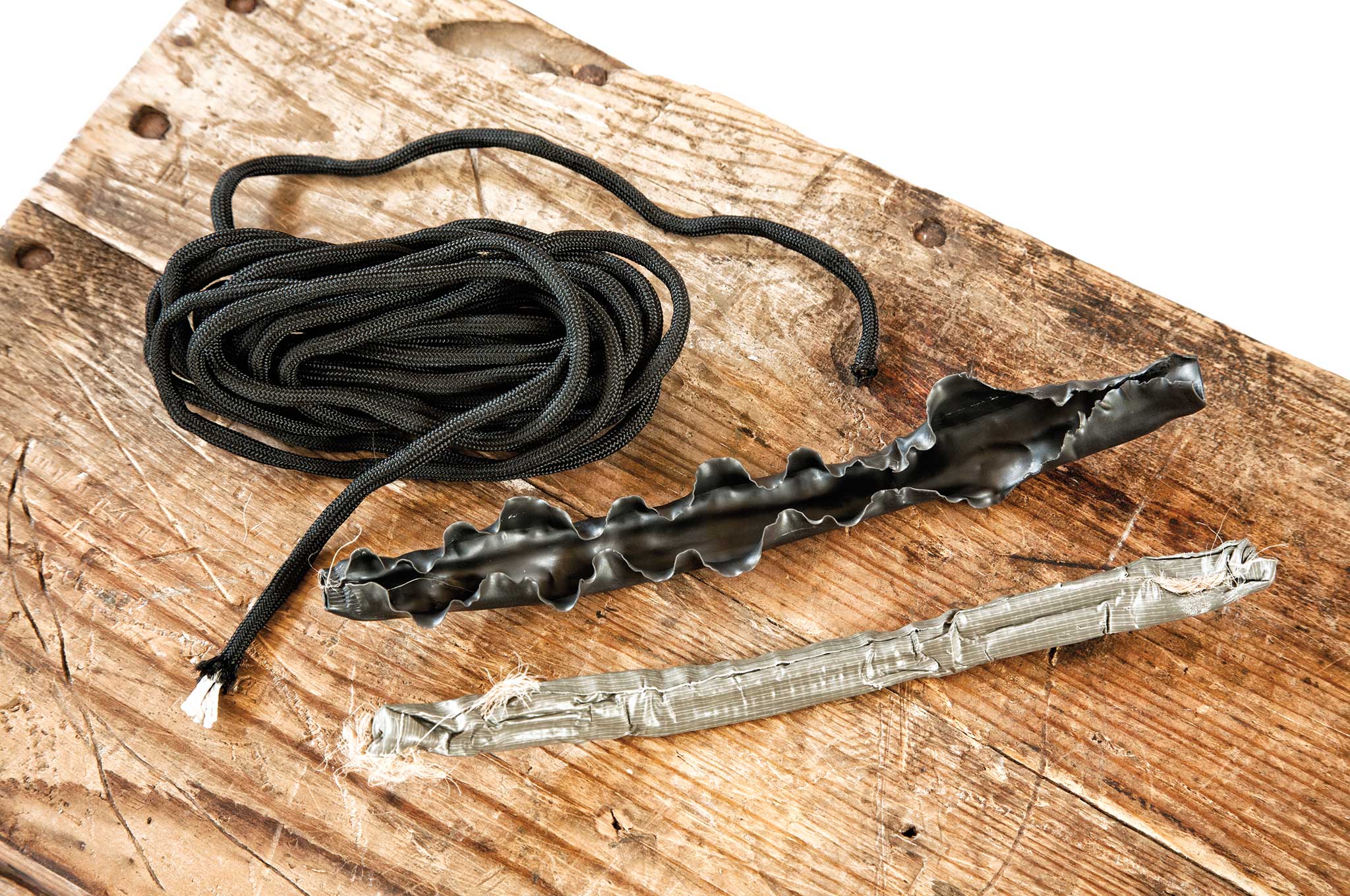
The bracelet is light and compact considering the number of tools and wears comfortably during daily use. Construction quality was solid during short-term civilian wear testing. Unwrapping the tightly rolled duct-tape core requires patience and dexterity because several items are sharp, although the layout minimizes accidental injury.
At roughly $160 for the configured test sample, the bracelet appears expensive compared to low-cost paracord bracelets. However, given the integrated tools and build quality, it represents reasonable value for users who want carry-on-person survival capability. Less-equipped models are available starting at $39.
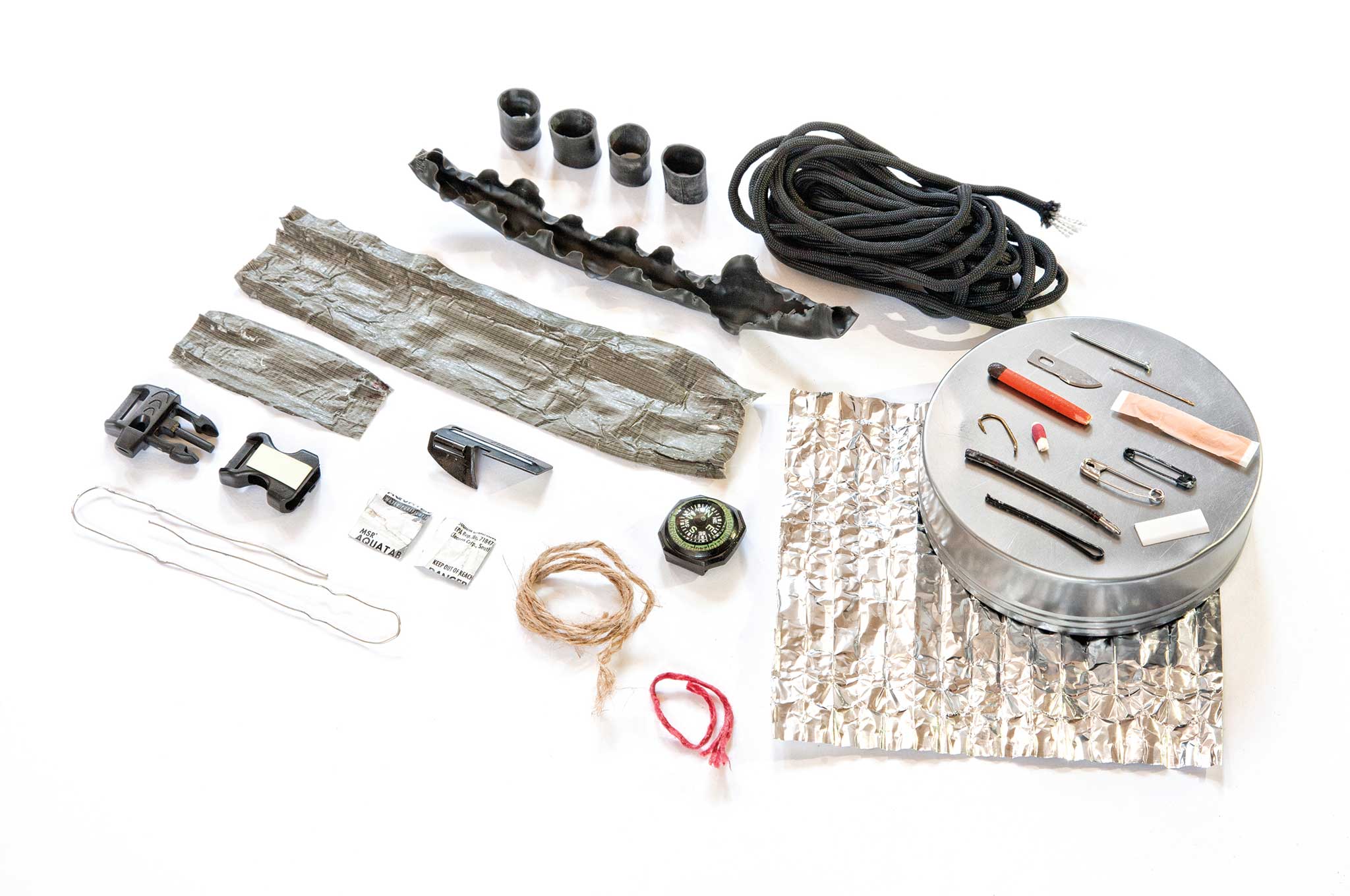
Superesse Straps BOB Pro Contents
– Paracord Type III, 550 lb, 10 to 15 ft
– Nylon strands within paracord, 35 lb, 125 to 250 ft
– Mini curved surgical blade w/ lanyard hole
– Fire steel ferro rod (inside male buckle) *
– Ceramic striker and blade (inside female buckle) *
– Survival torch, water- and windproof
– Four elastic rubber ranger bands *
– Jute string tinder – 1 ft, 3-ply
– Live fire wick tinder (under ranger band) *
– UCO strike-anywhere match head
– Small adhesive bandage
– Silver metal safety pin, curved
– Sewing needle
– Two duct tape patches
– P38 can opener (under ranger bands) *
– Two MSR water purification tablets
– Aluminum foil square – 5×5 in
– Small barbed fish hook
– Flexible bushman wire – 1 ft
– Black steel heavy-duty safety pin
– Steel finishing nail
– Shim pin/cotter pin
– Micro ink pen
– Emergency whistle (on male buckle) *
– SOLAS reflective surface (on P38 can opener) *
– Luminous compass, water- and impact-proof *
– Luminous glow-light surface (on female buckle) *
– Waterproof heat-shrink supply core
– Not pictured: Kevlar Utility Thread sawing cord, 30 in (under ranger band) *
Bonus 1: Water- and rust-proof 8-ounce storage tin
Bonus 2: Business card-size reference material listing bracelet contents, water purification instructions, and Morse Code signal reference guide.
[Note: Asterisk (*) indicates accessibility without unraveling bracelet.]