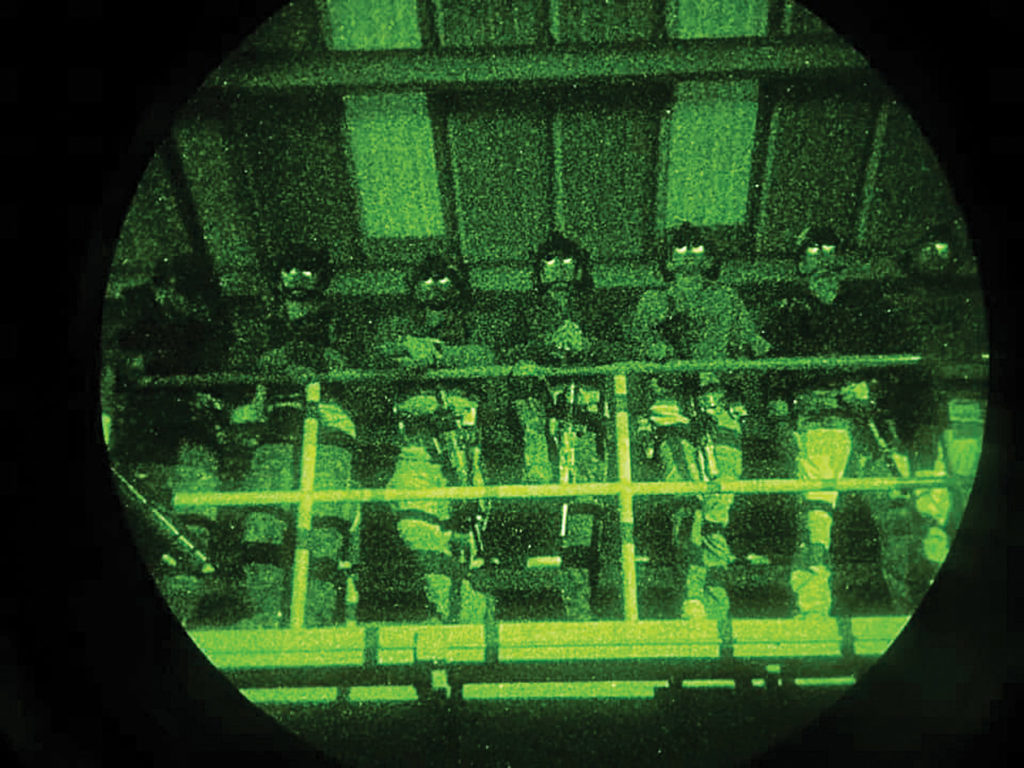
How to Set Up Your Rifle for Low-Light (or No-Light) Conditions

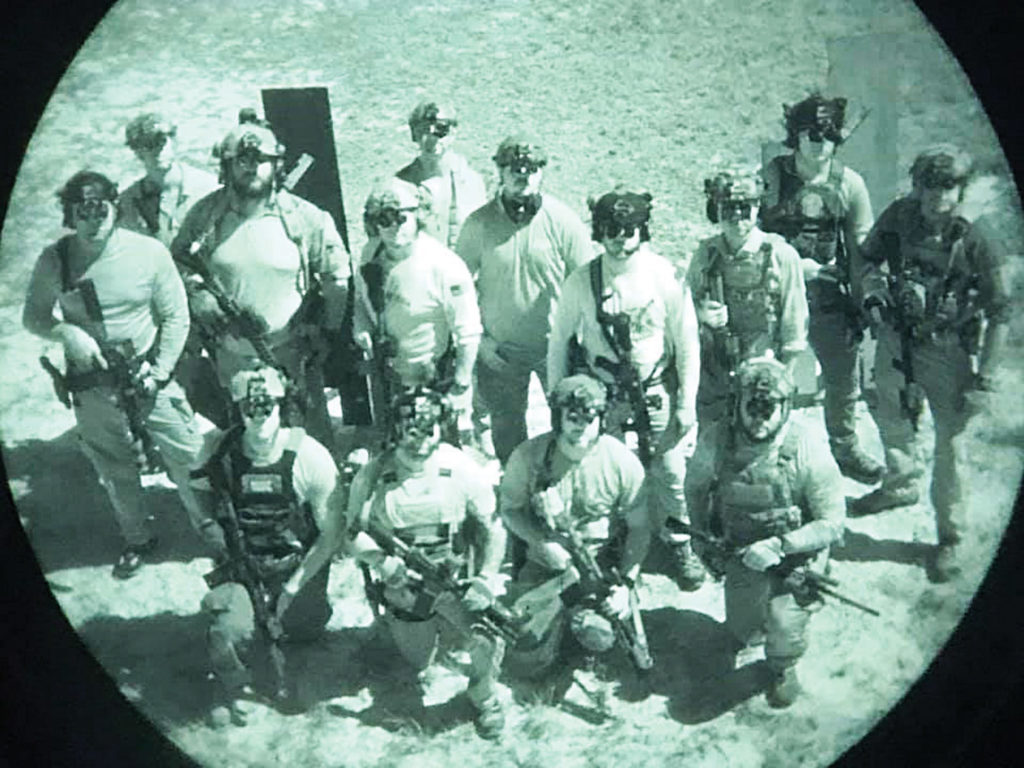
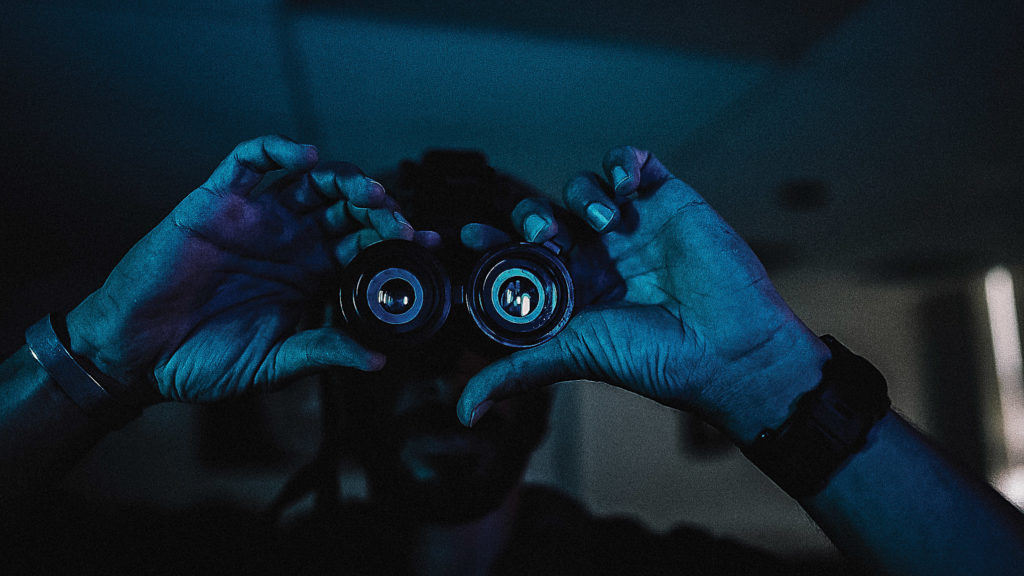
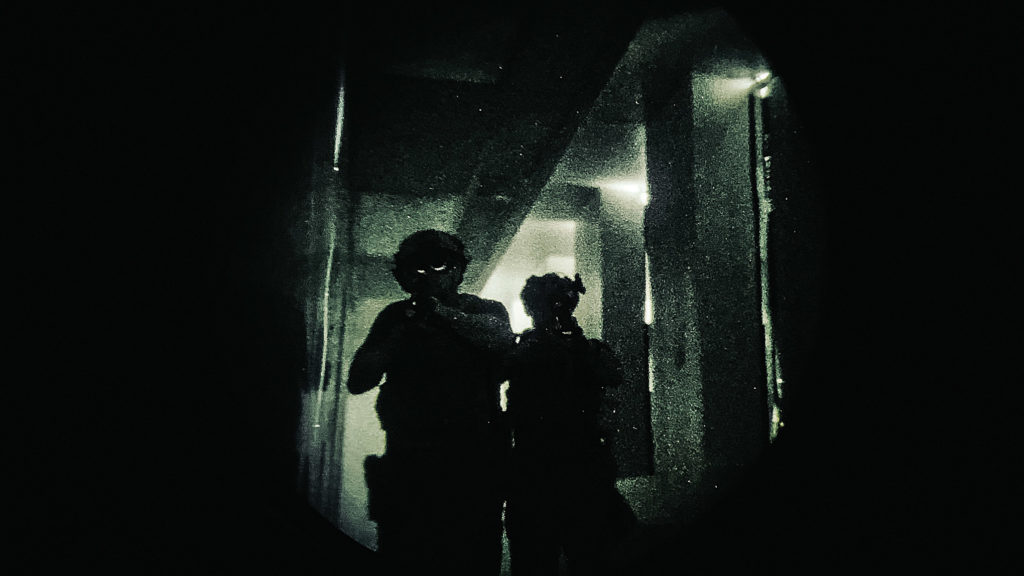
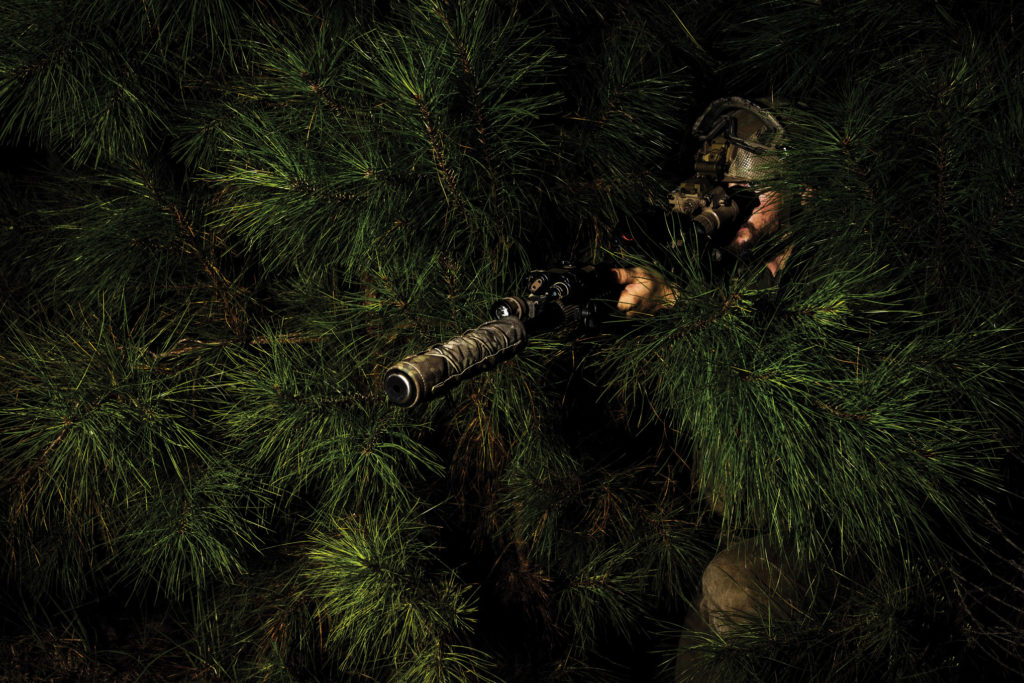
Every day, most of us have approximately 12 to 16 hours of sunlight to work with. That means we also have approximately 8 to 12 hours of darkness. If your rifle, handgun, or shotgun aren’t setup for working in the dark, you potentially have a limited-use item — a 12- to 16-hour gun for a 24-hour world. If you’re one of these folks, we’re going to help you out. I personally strive to have a 24-hour gun. So, no matter the occasion, I have a working firearm that can do more than just shoot in well-lit, controlled environments. I want a reliable, dependable system with the equipment that’s better than just “good enough.” The phrase “good enough” tells me that you know there’s better, and you’re not willing to achieve it — don’t fall for that trap.
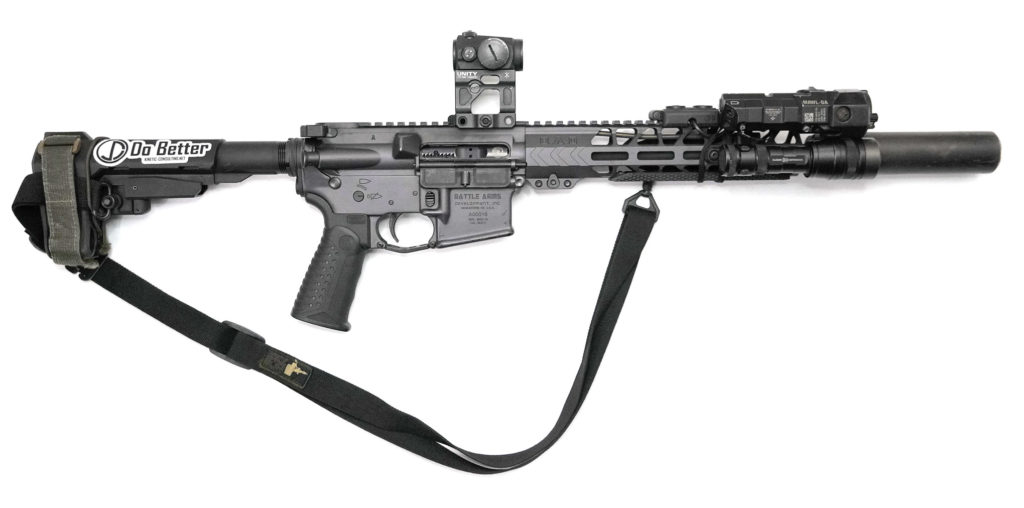
jon dufresne main rifle

Above: Battle Arms Development Workhorse Rail with a Rosco MFG Bloodline barrel and a SureFire RC2. On the rail is a Cloud Defensive REIN and B.E. Meyers MAWL.

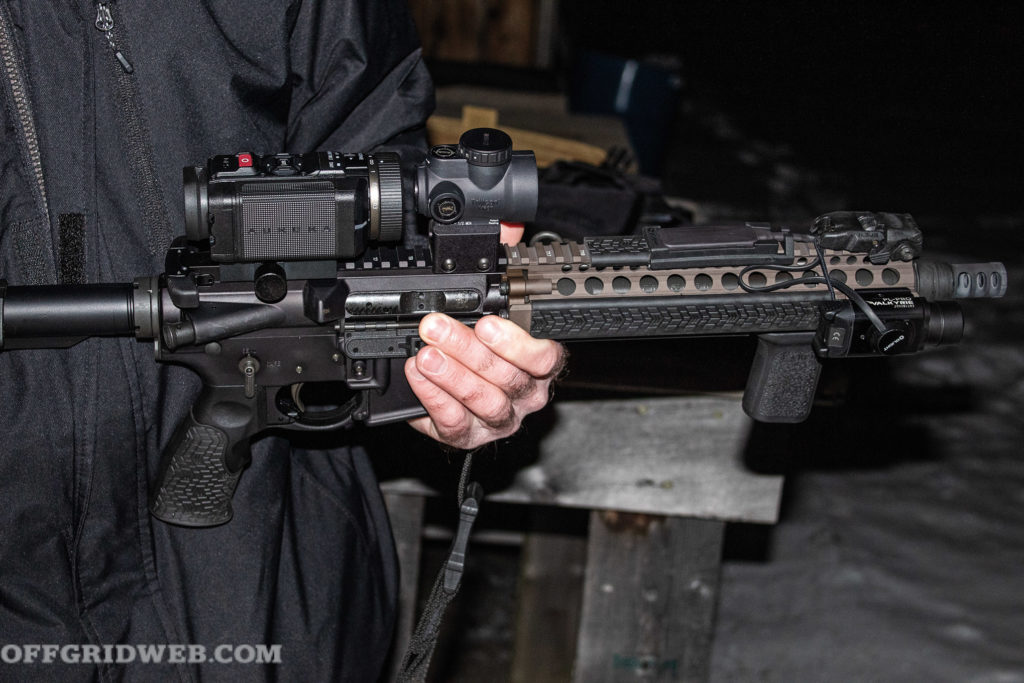
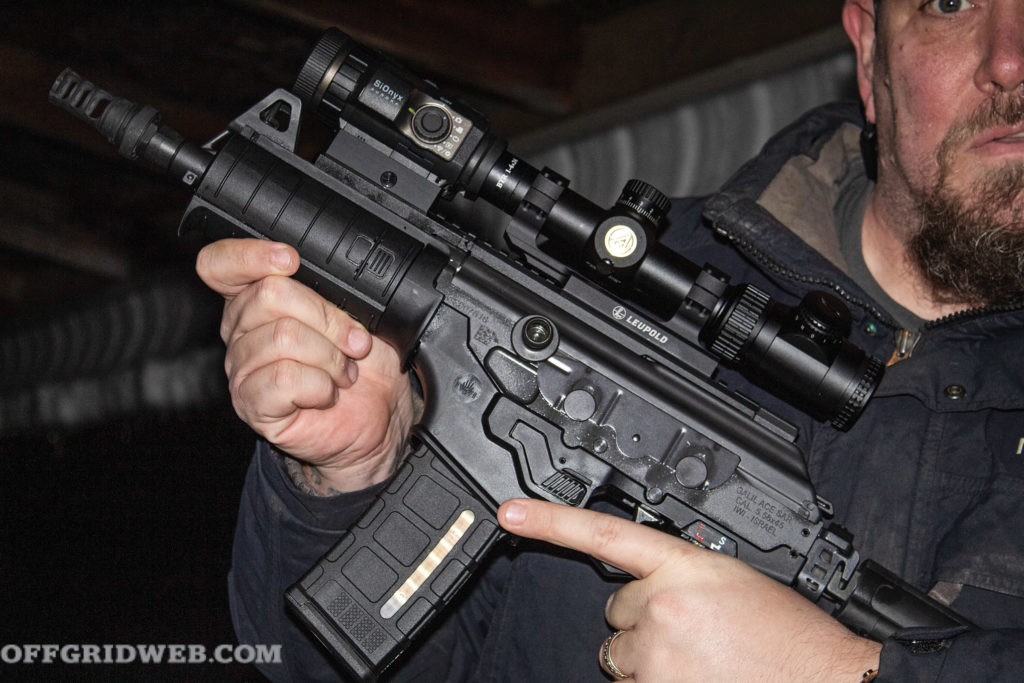
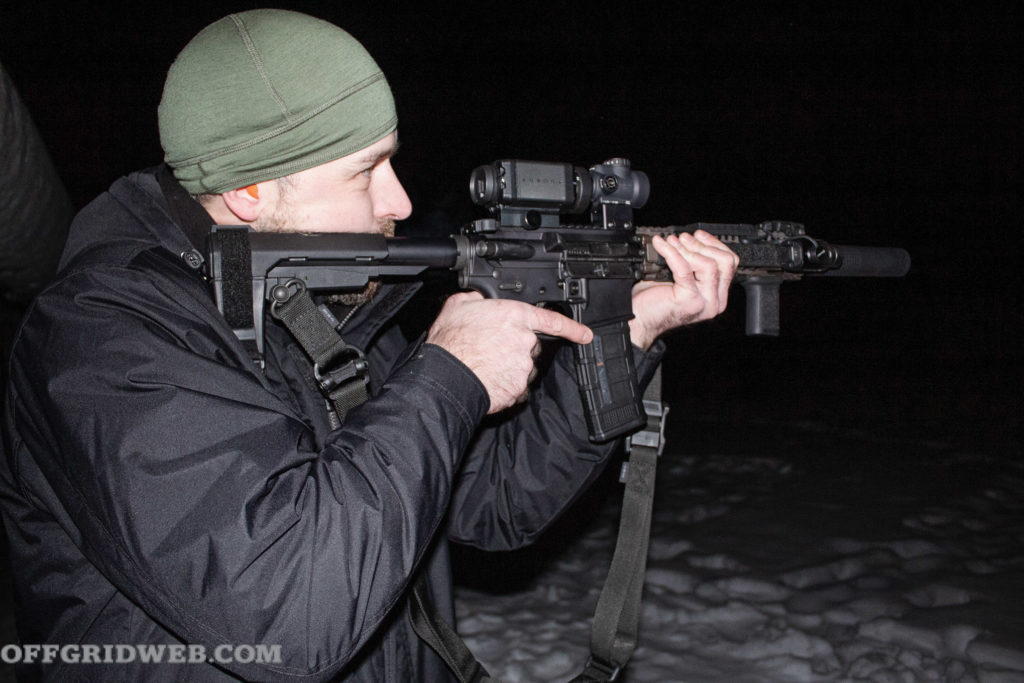
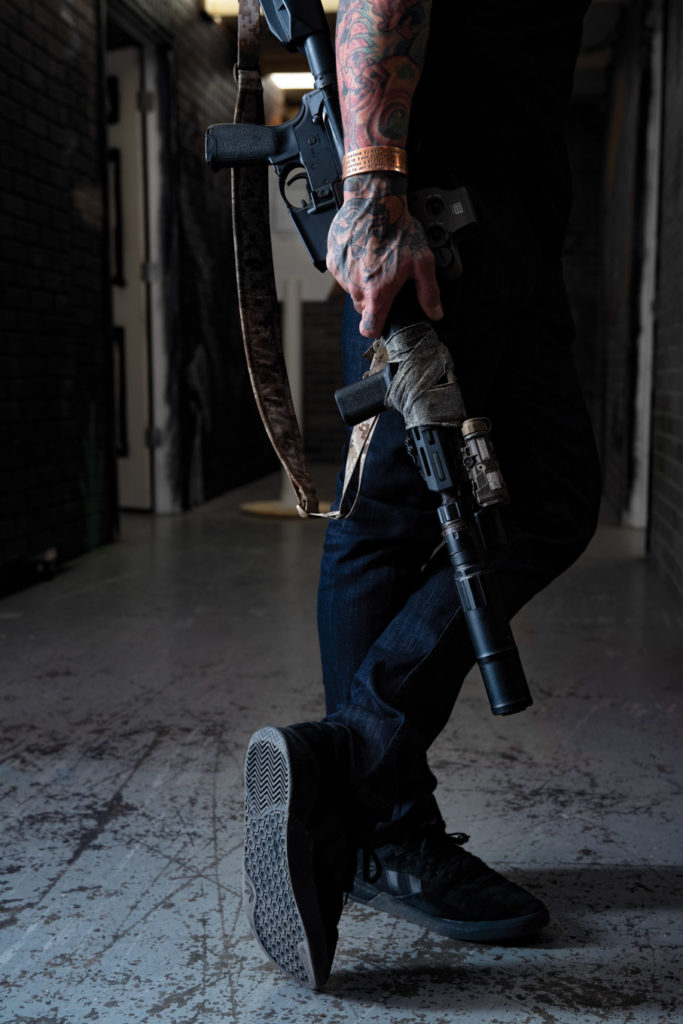
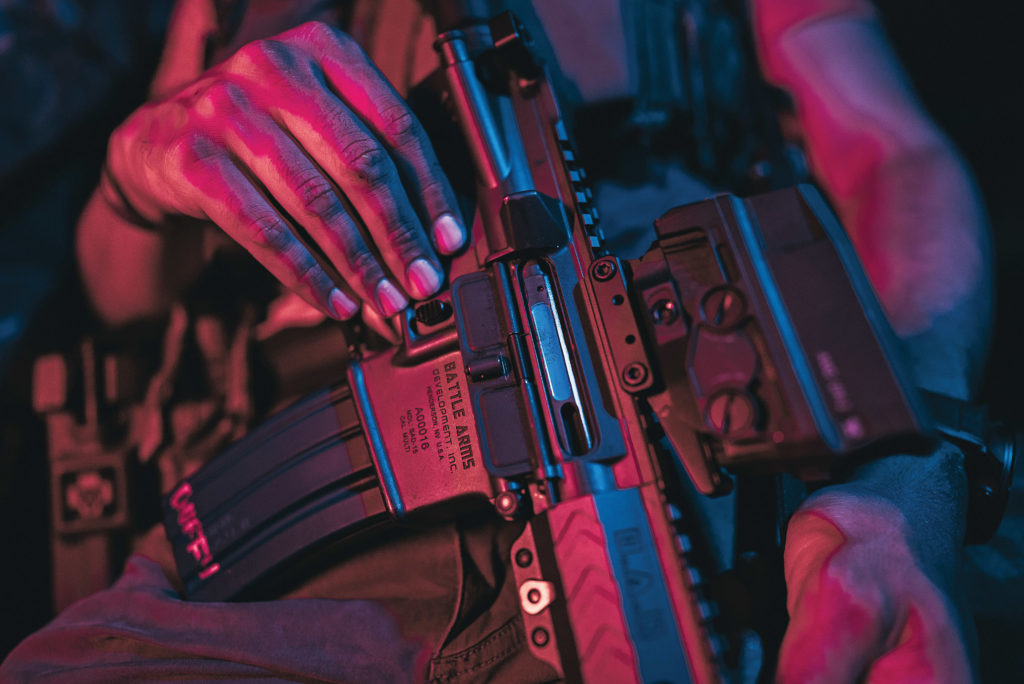
Let us start our journey with a base rifle. Like I stated above, I want something reliable and dependable. There are plenty of fantastic manufacturers out there, but I personally choose Battle Arms Development for my base rifle. At the heart of the rifle is a Rosco Manufacturing barrel — I’ve tested it in so many conditions in the last few years that I don’t want to use anything else at this point. Once you make your choice, or if you already have a base ready to go, we need to pick the appropriate accessories to add. Options are almost endless, so we’ll touch on some of the most important. 

Optic Choices (Red Dot vs. Holographic vs. LPVO) 

Optics are going to be the primary way we aim our rifles, so choose wisely. We have some things to figure out if we want to fight in the dark. Red dots are standard nowadays, and they’re usually the easiest to learn with and use night or day. Red dots come in two distinct offerings: diode or holographic. 
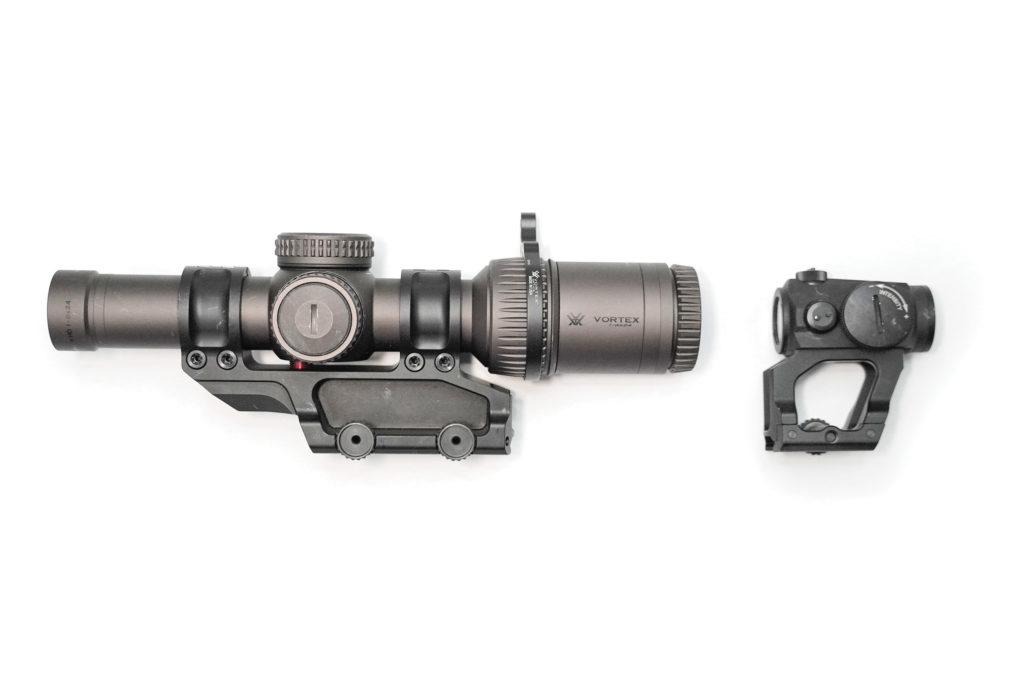
Scalarworks leap mounts for vortex razor and aimpoint t1 night vision height mounts

Above: Scalar-works LEAP 1.93 mounts for the Vortex Gen 2 Razor 1-6 (Left) and Aimpoint T-1 (Right).

Diode-based optics project light from an LED, which the front lens reflects it back toward your eye. Very simple and robust. The downside is that this projected light can appear distorted for those of us with imperfect vision (especially astigmatism). If that’s not an issue, then the hard part comes in with choosing a specific optic. This is one of the more personal choices that you’ll have to make. I use the Aimpoint Micro series most of the time, unless I’m testing something for another company, because they have a long battery life, low weight, small size, and a sturdy housing with easy adjustments. No frills, they just work. If you plan to use night vision, make sure to get a model that features low-brightness settings designed for this purpose.
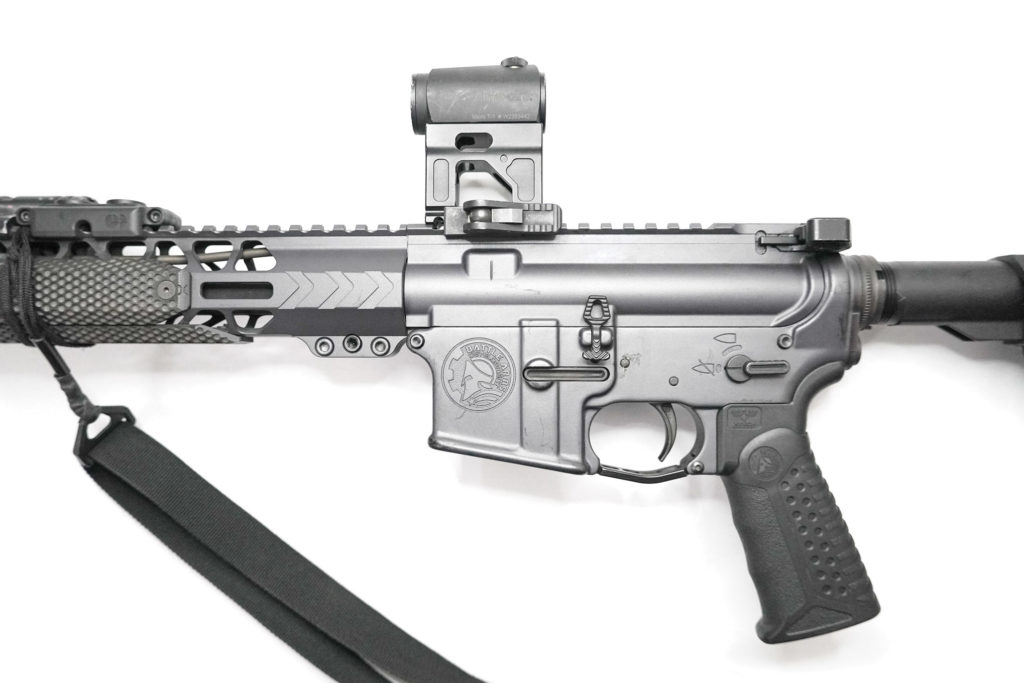
Battle Arms Development Aimpoint T-1 Unity Tactical Fast Mount

Above: Battle Arms Development Workhorse with an Aimpoint T-1 on a Unity Tactical Fast mount.

Another option you have is a holographic sight like one of the EOTech models or the Vortex UH-1. These have much shorter battery life than red dots, but work well with magnifiers and night vision. Depending on your eyes, you may see a sparkly reticle or a solid one. I’ve been told by a significant amount of people that their astigmatism is lessened by holographic sights, as well. When it comes to holographic sights, I’ve been gravitating toward the Vortex UH-1 Gen 2, but that is once again a personal choice. You must make your own.
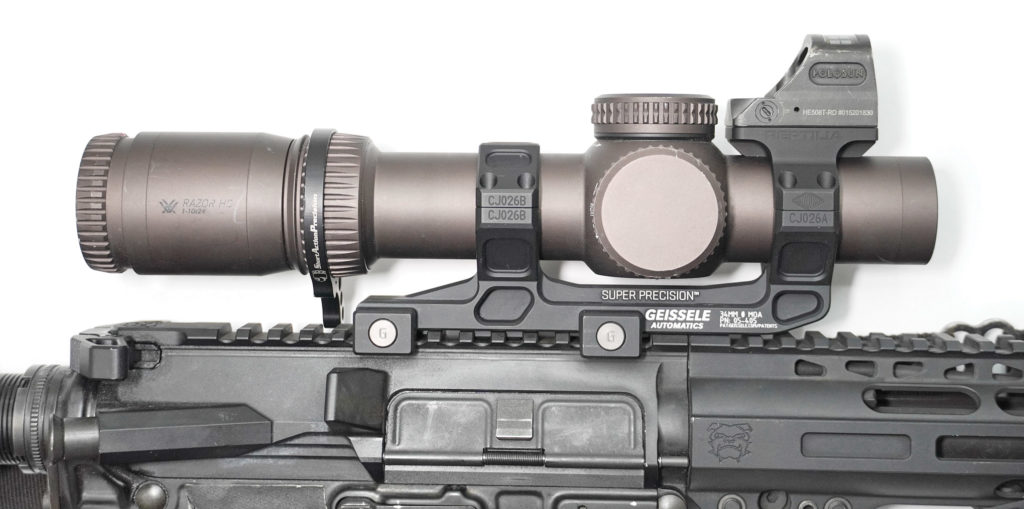
Vortex Razor Gen 3 low light rifle setup

Above: The Vortex Razor Gen 3 1-10 in a Geissele 1.5 height mount with a Holosun 508T on a Reptilia Corp ROF-90 mount.

The third option for optic selection is a Low Power Variable Optic (LPVO), typically with magnification range around 1-6x. LPVOs have an advantage over the other two types of optic: an etched reticle. Depending on the brand and optic you choose, there are some awesome choices out there from Vortex, Leupold, and Nightforce. These optics have magnification when you want it, and models with an illuminated reticle can be used like a red dot with practice. The main downsides are that they’re significantly heavier and more expensive than red dots. Illuminated LPVOs have similar battery life to a holographic sight. When it comes to LPVOs, you’re now working with a more precise optic that you can use to dive deeper into the pool of precision. 

Mount Height 

With optic selection comes mount selection. Mounts typically range from 1.3 inches all the way to 2.33. So, let’s go through them to see what may fit your needs.
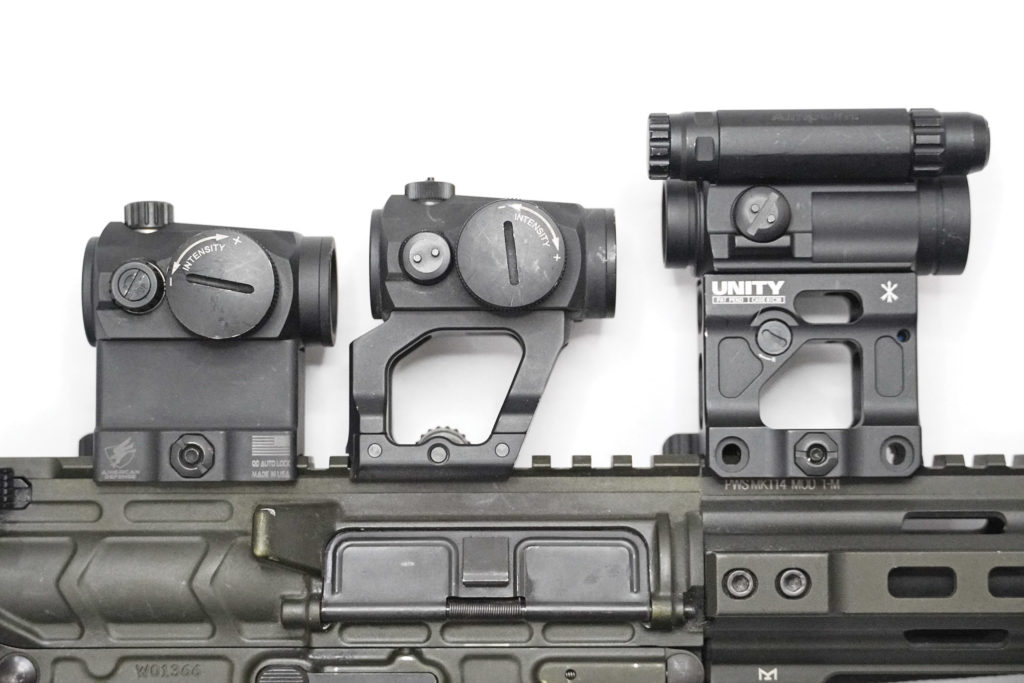
t-1 micro mount heights

Above: From left to right, an ADM 1/3 co-witness mount, Scalar-works LEAP 1.93, and Unity Tactical Fast 2.26.

1.3 to 1.5 are great for magnified scopes, or for when you need a consistent cheekweld for precision shooting. Just be aware some scopes won’t fit in a 1.3 depending on the objective lens size. I also don’t recommend the 1.3 and 1.5 (absolute co-witness) for red dots on most weapons. It’s unnecessarily low for the needs that a red dot fits, but like everything, it’s your choice.

The next step up is a 1.7, also known as a 1/3 (or “lower third”) co-witness height. This is a popular place to mount LVPOs and red dots for iron sight co-witness, if you still use iron sights. It’s still a little low for those of you trying to use it for night vision, and depending on head size, you may end up craning your neck.
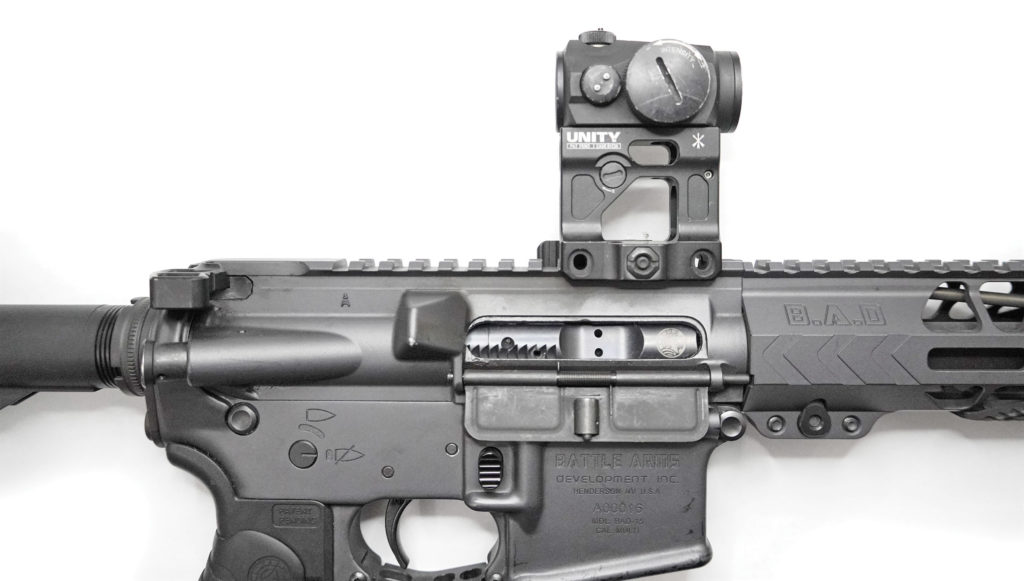
Unity Tactical Fast Mount T-1 Micro night vision rifle setup night vision optics

1.93 is the next height — this is at the limits of comfort for any prone shooting with night vision, but it’s a great height for those who plan to be upright or standing more than prone. I enjoy the 1.93 or 2.05 for my LPVOs that I’ll be using as a primary optic. This height also works well for red dots.

Next up are the 2.26 and 2.33 heights. I don’t suggest these for an LPVO. It ends up being difficult to consistently avoid parallax — not that it cannot be trained, but it’ll take more work and is very straining on the neck for anything prone. My suggestion for any mount that you choose is to figure out the purpose of the rifle and the optic you’re using to make a choice. 
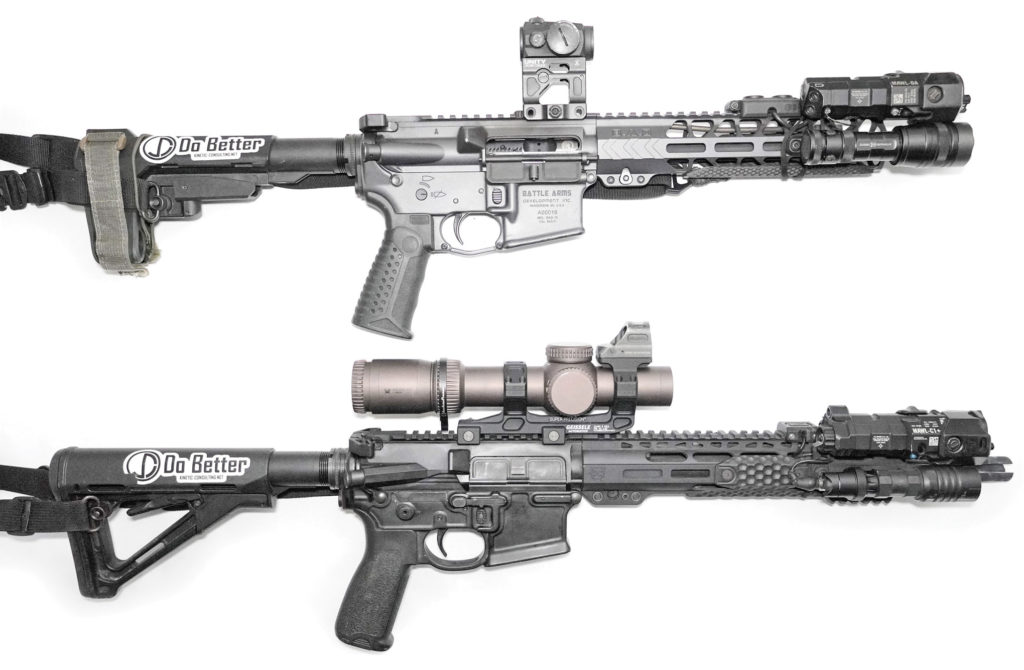
two carbines night vision optics low-light no-light carbine setups

Above Top: Battle Arms Development Workhorse — my main jam. Below: Rosco MFG 12.5 URG — my do-it-all rifle.

Another style of mount selection is blending the traditional mounts above with an offset mount. There are a lot of combination mounts that you can put micro red dots on the top or side (45-degree) of your scope. This adds a level of redundancy and options to enhance your capabilities. Top-mounted red dots on scopes are one of my favorite styles, as it gives me ambidextrous use of my rifle in a scope or red dot capacity. I still enjoy using side-mounted dots when I use a higher magnified optic or am trying to keep the height profile of my rifle down. Either one needs some personal consideration depending on your setup and needs.

Weapon-Mounted Lights (White vs. IR) 

Weapon-mounted lights are an absolute must for a rifle. The only exception is something used exclusively for daytime competitions. As for a dedicated low-light rifle, you’ll need a good light. By good light, I’m not just talking about any light that says “tactical” and comes with a rail mount. I’m talking about the output on multiple levels. Your light should have high candela, lumen, and lux stats. Candela is the intensity of the beam emitted from the light. Lumens is the overall brightness rating of the light. Lux is the intensity of the light in a given area or distance. Personally, I stick to two companies that I believe have surpassed the others in performance capability. Modlite and Cloud Defensive have made lights that are modular and offer outstanding performance in these key areas. Modlite offers lights that are compatible with industry-standard mounts, tailcaps, switches, and other components. Cloud has attacked the market in another way, starting from the ground up to develop two different-style lights, the OWL and REIN. Both companies make great products that someone can adapt to their needs. 
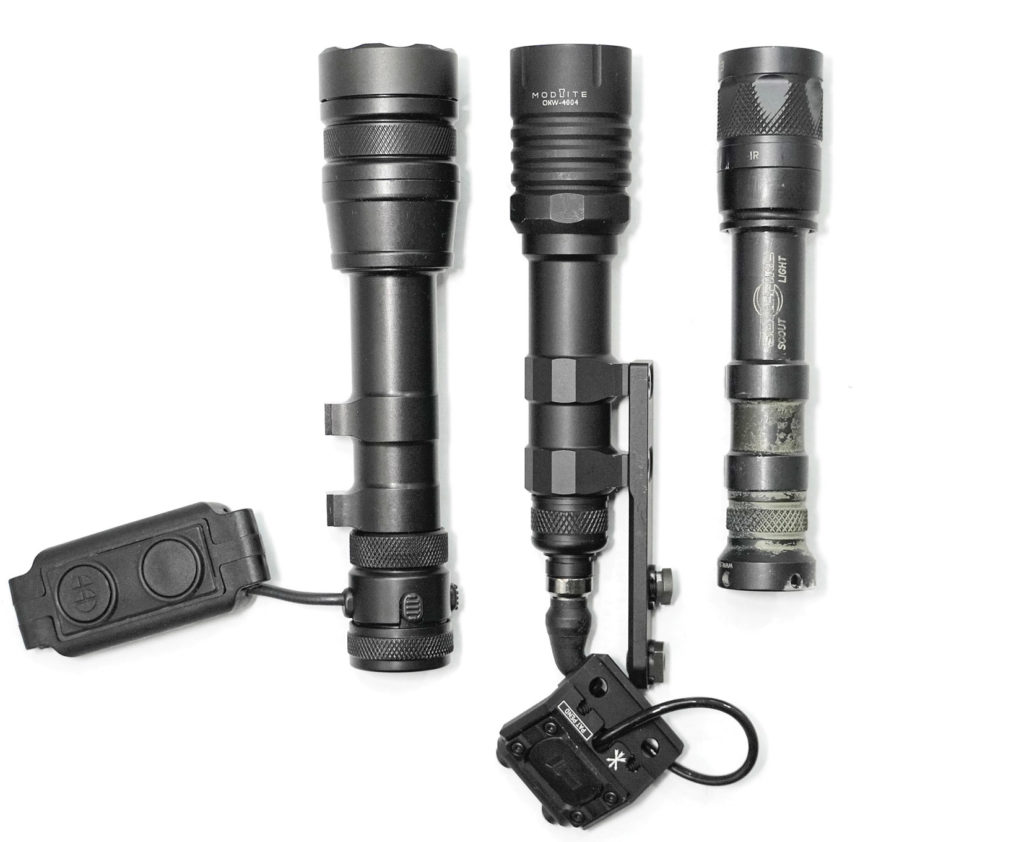
weapon mounted lights cloud defensive rain, modlite okw, surefire m600v

Above: From left to right, the Cloud Defensive REIN, Modlite OKW, and SureFire M600V.

If you’re operating under night vision, you may want either a dedicated infrared (IR) or dual-output white/IR light. These are very specific use items. Depending on your laser setup, you can supplement it with a dual spectrum light like the SureFire M300V/M600V “Vampire” series. Just remember most dual-spectrum lights provide both IR and white light, but usually do both jobs sub-optimally. Most use these lights to add more IR illumination to the area they’re targeting for passive night vision use, or as a searching tool. The only dual-spectrum light I use is on my helmet. More on that in the future.
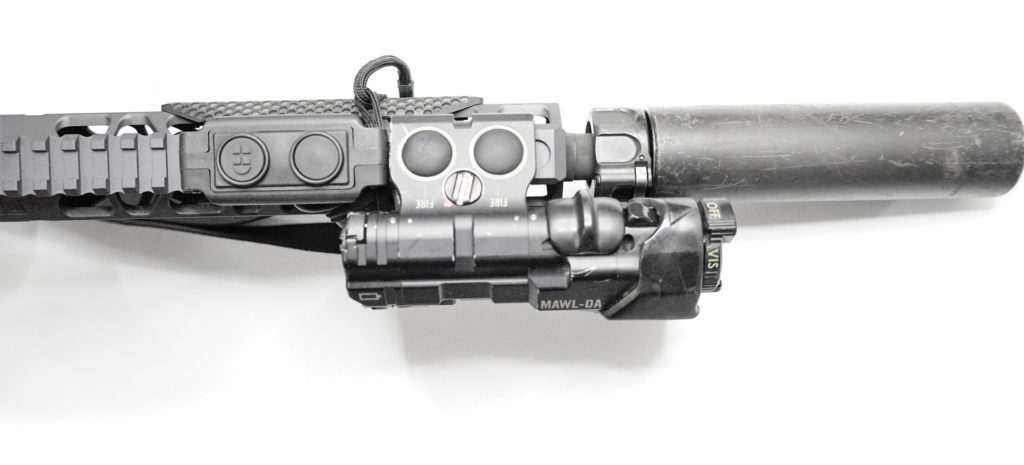
Top down B.E. Meyers MAWL Cloud rein surefire suppressor

Above: A top view of button controls for the Cloud Defensive REIN and B.E. Meyers MAWL.

Muzzle Devices (Muzzle Brakes, Flash Hiders, and Suppressors)

Muzzle devices vary in many ways, and each will have pros and cons. The most common muzzle devices are muzzle brakes and flash hiders. Beyond those, there are also suppressors, which are my favorite option. I can be seen in the wild most of the time using one. Let’s get into some of the details.
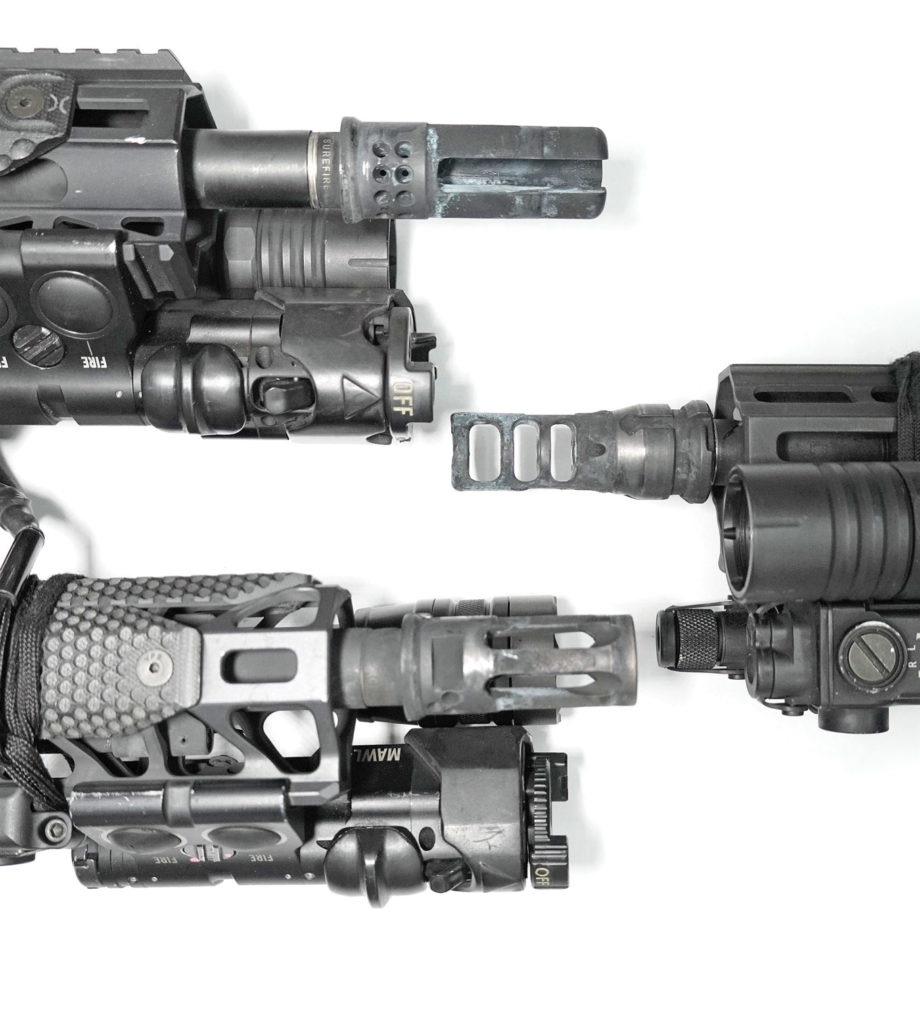
Surefire Warcomp, Dead Air KeyMo, Surefire Warcome closed Tine muzzle devices for low light carbineAbove: From top to bottom, a SureFire Warcomp flash hider, Dead Air Keymount brake, SureFire Warcomp closed-tine flash hider. 

Muzzle brakes, also known as compensators, are usually the best at recoil mitigation because of the way they redirect gases to force the muzzle lower or reduce muzzle climb. That benefit also has some downsides. I’ve found that if I shoot with a brake/compensator for long enough, I start to relax my shooting position. I relax so much to the point that shooting with anything else is harder to manage. Also, if you’re shooting next to others — teammates and/or classmates — you’ll be hated by all. That redirection of gases and concussive force is very harsh to your neighbors. I suggest that you don’t shoot a muzzle brake indoors, since it’ll be unpleasant even with the best ear protection.
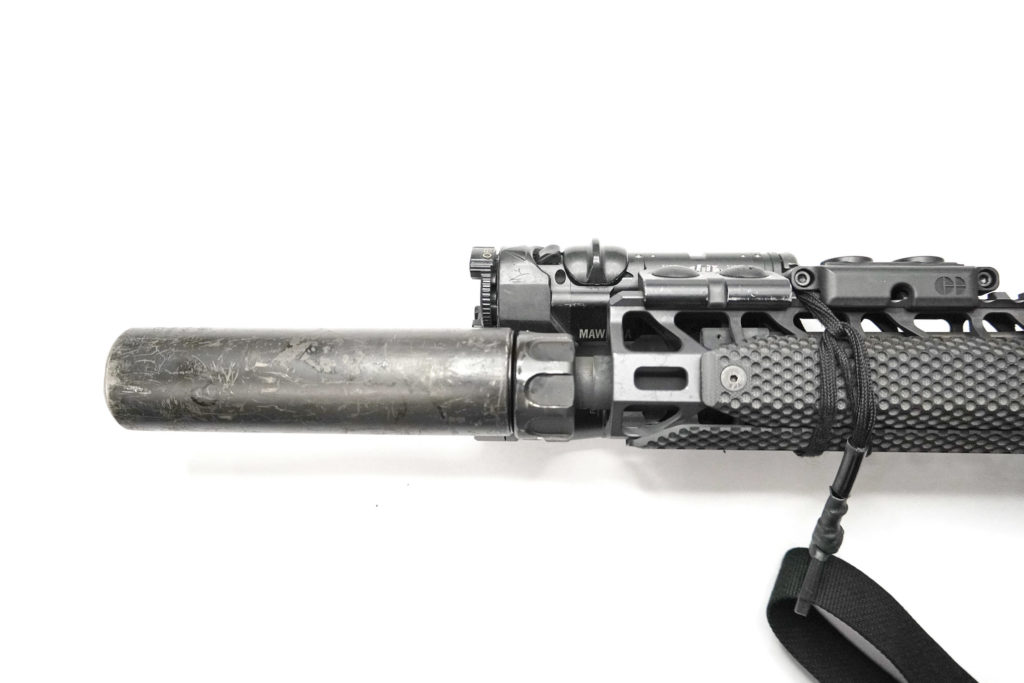
night vision carbine muzzle setup

Above: Battle Arms Development Rail with a Rosco MFG Bloodline barrel, SureFire RC2, and Rail­-scales EXO panels.

Flash hiders conceal the muzzle flash by using slots or holes in the muzzle device. Flash hiders are also misinterpreted: They don’t hide all the muzzle flash; they mitigate or minimize it. Flash hiders were originally meant to help the shooter’s eyesight by not overwhelming the photo receptors in their eyes. Some flash hiders also help with recoil, giving you a blend of a brake and hider. Just remember, most devices that do both usually aren’t ideal at either one. 
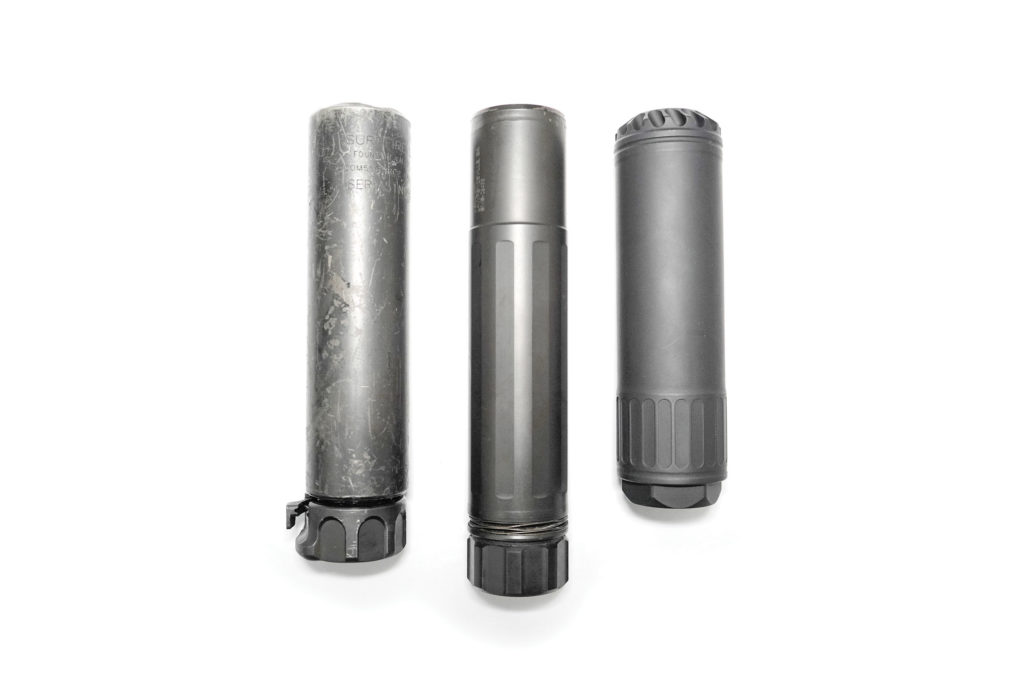
SureFire RC2, Dead Air Sandman S, and OSS 556K

Above: Left to right is a SureFire RC2, Dead Air Sandman S, and OSS 556K.

Both kinds of muzzle devices can also include a mount for a suppressor. Suppressors, also known as silencers, use a series of baffles or chambers to limit the expansion of gases. This limits the noise coming from the rifle and can also potentially limit the amount of flash, depending on the length of rifle and suppressor. Suppressors add weight to the front of the rifle, and that takes some getting used to if you don’t do enough pushups. For some, a suppressor is cost-prohibitive, but I highly recommend you save your pennies for one. Suppressors are the ultimate muzzle device for a low-light rifle and can also help protect your hearing. The only other downside is that they get extremely hot with use, so don’t burn yourself.

Laser Devices

Laser devices come in a lot of shapes and sizes. Lasers are also very specific tools and must be cared for, so they take a dedicated user. They’re not plug-and-play like some believe them to be. They must be carefully positioned and zeroed, much like an optic. I don’t recommend just grabbing any laser off the internet. Choose the laser that’ll fit your needs. Visible lasers are great for certain uses, like gas mask work and practicing for IR laser use. Be aware that they have limitations due to lighting in the environment you’re working in. IR laser devices are meant for use under night vision, so they won’t be visible to the naked eye. As a result, IR lasers are often paired with a visible laser, so that if one is zeroed you know the other should be, too. Since I use a lot of night vision and teach it, I use a B.E. Meyers MAWL, which has a visible laser, IR laser, and an IR illuminator. I suggest those going into night vision get something with all three tools. 
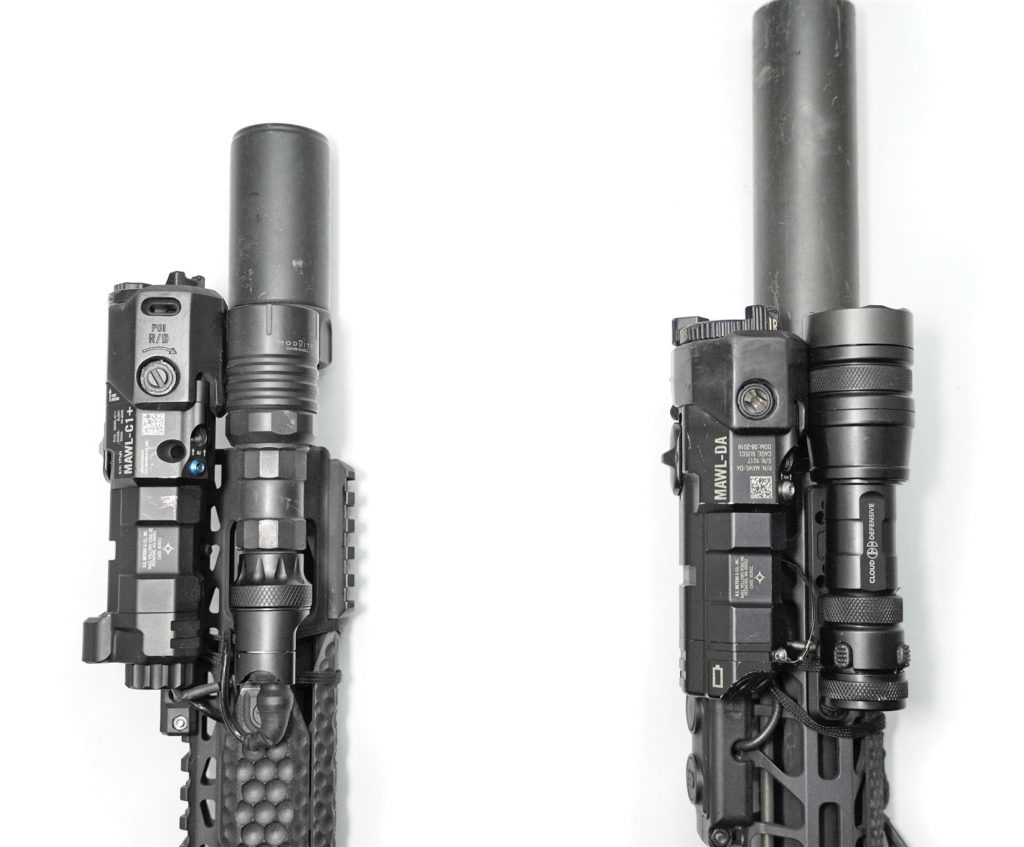
night vision optics lasers

Above: Both my setups have some similarities. To the left is a B.E. Meyers MAWL and a Modlite OKW. On the right is B.E. Meyers MAWL and a Cloud Defensive REIN.

Conclusion

Setting up a rifle is very dependent on your needs and wants. I don’t like to skimp on my equipment and don’t suggest it to anyone. Save up and buy the good stuff, instead of buying inexpensive gear that you may have to replace when it breaks or malfunctions. With the myriad of accessories and tools on the market, setting up a low-light rifle can be overwhelming, but I hope that this article helps guide you. Build a list, save your money, and get practicing.
low-light no-light rifle carbine setup

To see Jon Dufresne’s Training Calender or to Check out Kinetic Consulting: kinetic-consulting.net
Follow him on Instagram: @mochabear_actual

[Editor’s note: Photography by Jon Dufresne and Real Dirty Media.]


MORE ON NIGHT VISION


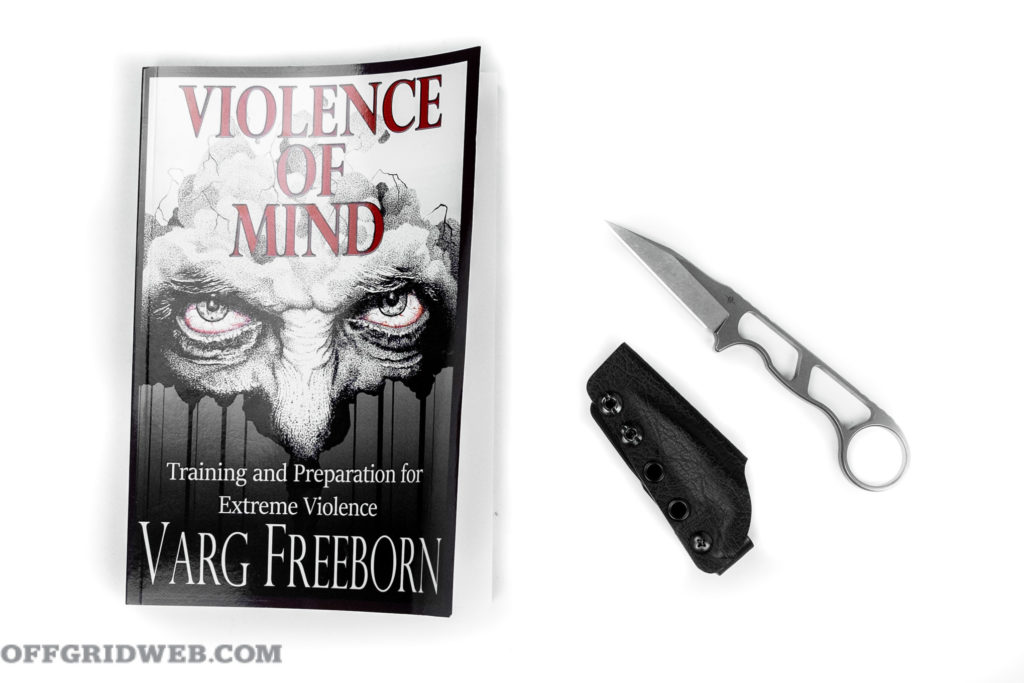
Book Review: Violence of Mind by Varg Freeborn

One part criticism, one part methodology, Violence of Mind pokes at the soft tissue of how we think of self-defense in order to build a foundation that combines the irreverence of a street fight, with the analytical benefit of systematizing one’s mindset. In this, the book offers two benefits: first and foremost as a cheque to one’s own ego, and second, as an attempt to build not only a roadmap of training progression, but heuristics to protect one’s self from the self-sabotage of misguided intentions. Varg Freeborn announces from the beginning that this work is written to construct the mental foundation needed to support and inform one’s survival, by evaluating one’s actual versus perceived goals, and holding rigorously to them.

In essence, then, this book functions as philosophical, in its true form. In a world of “gotcha” criticisms heavily driven by ego, Violence of Mind begins with asking what is the goal of self-defense, and allows no wiggle room for weak answers. Jabbing at trendy phrases like “I’d rather be judged by twelve, than carried by six” and injecting the physical, mental, legal, and moral aspects of something like self-defense, he balances the criticism with constructive experience and direction.

Varg Freeborn then brings a violent breath of fresh air on how we think about situational awareness, and offers some perspective from the mind of a predator. A recognizable shift from the oft-quoted and long-sterile examples bad SA, he ushers in a different paradigm of broadening one’s range of perception: a sharp contrast to the hyper-vigilance model.  In a world of pseudo-intellectuals who attempt to look smart by noticing a single feature, or simply reverting to the criticize-people-for-being-in-their-phones approach, he addresses how we oscillate between attention to detail and wide-band observation intentionally and how to train it in.

violence of mind toor jank shank

Above: Varg Freeborn is strongly opinionated about the use of knives, from what type of knife is carried, to appearances, to legalities, to what the court might think. The Toor Knives Jank Shank may fit well, but it’s you’re choice. 

Some of the most valuable aspects of Violence of Mind are diving into Marc MacYoung’s hierarchy of escalation, and the author’s structured ideal training pathway. By identifying the distinction between “advanced” and “specialized” training, he draws a line that separates CQB from advanced self-defense. In this, he argues that certain forms of training, while having been marketed as advanced, are really only specializations, and need to be recognized as such, especially by the student.

This book belongs on the shelf of both those who are pursuing their own capacity for self-reliance through self-defense, and is a must-read for any who wishes to instruct. As the book cuts apart the poor arguments we have used to justify bad habits or mental laziness in the past, a path to redemption is paved in within the pages that balance the critique of current and past trends, with the methodological approach to how we think of training itself. Instead of asking what to train or why we train, this work addresses how we think about training and self-defense, and in doing so, represents academic rigor without the ivory tower.

Criticisms

The title is correct in describing the objective of the book. While the term Mindset is certainly trending at the time of writing, the opening chapters of the book are instrumental in self-reflection. That being the case, as the chapters carry on, some arguments fall into the pattern that has been seen before with the elite special operator types, sounding something like “you don’t know because you’re not a hardened criminal like me.” It can be offputting, but we’re talking about violence here.

This, however, works to the advantage of the reader, for just as the Varg identifies, ego can quickly become self-destructive when violence occurs. His argument from authority challenges the reader’s ego, and highlights the value of the book as a tool of self-evaluation. For those who take seriously the reality of violence, their disagreements with the author will also be taken into consideration knowing they have skin in the game, rather than responding emotionally. Violence of Mind is ultimately a tool of introspection with deadly consequences.


Violence of Mind and Its Author

Author: Varg Freeborn
Pages: 223 pages
MSRP: $17 on Amazon (Buy Here)
URL: violenceofmind.com


OFFGRID LIBRARY OF RECOMMENDED BOOKS


VirTra Training: Total Immersion Gun Simulation

Summer 2020 in Arizona wasn’t conducive to live-fire training, given the perfect storm of 115-degree temperatures, wildfire-related shooting restrictions on public land, COVID-induced range closures, and extremely high ammo prices. Rather than rely solely on dry-fire practice at home, I decided this was the ideal time to try out the state-of-the-art VirTra firearms simulator at the Haley Strategic headquarters in Scottsdale, Arizona. Haley’s D7 Disruptive Performance course is a two-day program that’s limited to just five students, and it takes place without a single live round fired. I attended a D7 Carbine class, but Handgun and Handgun Lowlight versions are also available.

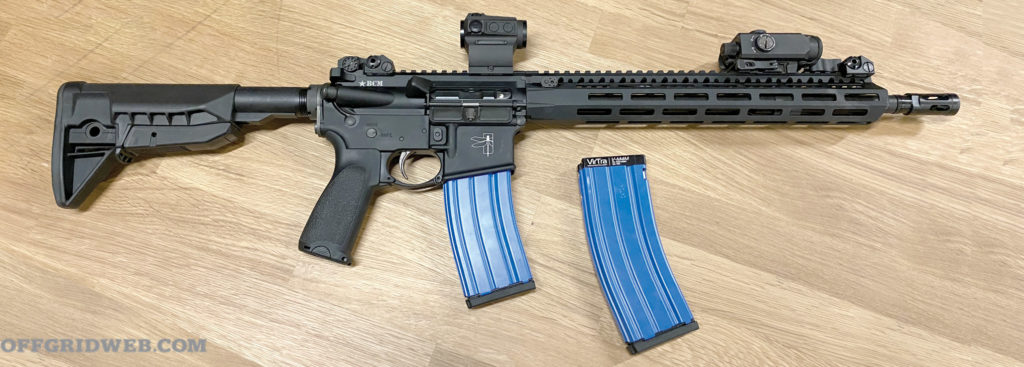
The VirTra system is no oversized arcade game — it’s a sophisticated simulator with an impressive degree of realism. Students use real BCM AR-15s retrofitted with VirTra internals that produce CO2-powered recoil and a laser flash with each trigger press. An array of sensors detect where the laser impacts on a projector screen, a computer calculates ballistic trajectory in the virtual environment, and the shooter receives real-time audio and visual feedback.

The D7 Carbine course began with a classroom portion that introduced Haley’s “thinkers before shooters” ethos, thoroughly analyzing the mental and physical aspects involved in firearms training. After discussing zeros and hold-overs for various distances, we stepped up to the VirTra 100 single-screen simulator, firing our ARs from a prone position at virtual targets from 50 to 500 yards. Our instructors, Josh and Robert, were able to instantly enlarge our targets and provide guidance based on our shot groups.

virtra carbine

Next was a detailed discussion of shooting fundamentals, such as stance, trigger control, sight picture, and eye movement — the latter becomes especially important when dealing with multiple targets in a dynamic setting. Back on the single-screen sim, we ran various drills from low ready and high ready, maintaining an even cadence between shots and receiving one-on-one evaluation from instructors. We finished our first day in the flagship VirTra 300 simulator, testing our ability to pivot and transition between simulated clay targets across the 300-degree screen. On day two, we warmed up with the same transition drill, then returned to the single-screen sim for box drills that tested our footwork and ability to move forward, backward, and laterally between shots. The final classroom portion of the D7 class was taught by Travis Haley. It covered the powerful effects of a life-and-death scenario, such as the body alarm response (BAR) that dumps hormones such as adrenaline and cortisol into the bloodstream. Rather than attempt to resist this inevitable process, we must learn to anticipate and manage it.

Since firsthand experience is a powerful teacher, the D7 class culminated by testing each student’s performance inside the panoramic simulator. One by one, students were called into the darkroom and fitted with a belt-mounted Threat-Fire pack, which delivered a 10,000-volt shock any time we were hit by a virtual incoming round. The consequences of failure would be painful, and this elevated the sense of tension. Haley’s VirTra system includes dozens of scenarios, and each features branching paths and outcomes that can be controlled by the instructor in real-time. This made it feel like interacting with live opponents, rather than pre-programmed AI.

We experienced two scenarios, a mugging at an outdoor ATM and an active shooter situation inside a courthouse. These scenarios included multiple assailants, innocent bystanders, and ally first responders, as well as complications such as armored foes and hostage-takers — in the latter case, I was able to negotiate a surrender after an agonizing 90-second standoff. However, I didn’t walk away unscathed from the ATM mugging. Seconds after stopping the first threat, I was blindsided by an accomplice I had failed to notice. I returned fire, but got zapped and received a wake-up call about the dangers of tunnel vision.

This Haley Strategic D7 Carbine class was an incredible experience, and a powerful reminder that real defensive scenarios are far more complex than drills on a 180-degree shooting range.

For more information on future Haley Strategic classes, visit haleystrategic.com/train.
For more information on VirTra: virtra.com


MORE FROM OFFGRID ON TRAINING AND PREPAREDNESS


A Competitive Advantage with Secret Weapon Training

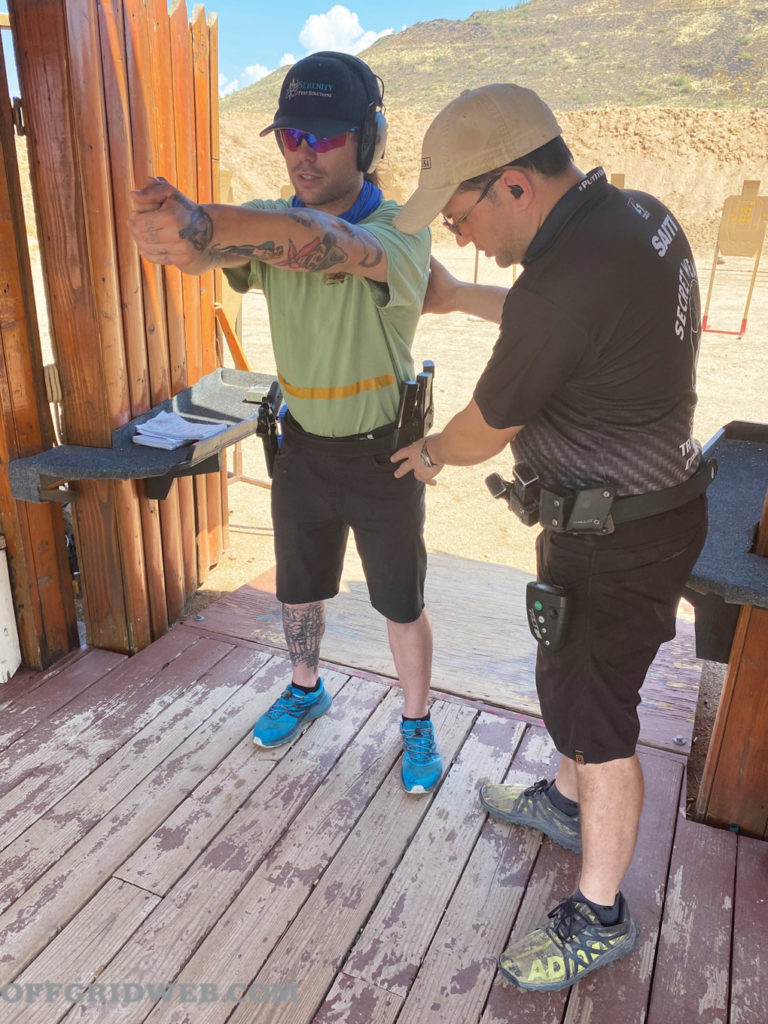
I recently participated in my very first two-gun match alongside Iain Harrison, RECOIL’s editor-in-chief, and Nick Saiti, a frequent contributor to the magazine. Both of them made the stages I struggled with look easy. I soon learned that Saiti, who I had just met that morning, is a Grand Master in all eight USPSA divisions. He was kind enough to offer me some pointers and encouragement, and at the end of the match, he invited me to join him at an upcoming Competition Pistol Clinic hosted by his training company, Secret Weapon Training. After watching him shoot, there was no way I was going to pass that up.

Unlike prior classes I’ve written about, this class was specifically designed to help competition shooters. Before you dismiss this as impractical, remember that it’s a different approach to the same end result: fast, consistent hits on targets. There are differences, of course, but if you’re a good competition shooter, it’s not hard to apply those same skills to self-defense.

Saiti explained that he breaks down shooting skills into six manageable chunks, which must be mastered individually and then layered. The first subject of the day was stance. Feet should be shoulder-width apart, hips square to the target, and knees and elbows slightly bent to absorb recoil. Saiti recommended shifting more weight onto the balls of my feet until I almost toppled forward. I felt my toes digging into the ground and shin muscles tightening — this greatly improved my stability.

The second topic of the clinic was grip. Some instructors recommend 60/40 or 70/30 pressure from your support and dominant hands; Saiti recommends 100/100. Grip the gun as tightly as possible with both hands, as long as trigger finger dexterity isn’t diminished. Choke up high on the grip, make sure there are no voids between the hands and the gun, and push the support thumb forward on the frame.

nick saiti secret weapon training instruction

Third, Saiti discussed draw technique. Both hands should be moved in unison to the level of the holster; this symmetrical movement prevents favoring one side. Establish a consistent, strong grip, and bring hands together in the workspace where you’d naturally clap your hands. Keep the barrel flat as you drive the gun up and out to eye level, fast at first, then slower to acquire a sight picture. To test your draw, start with a good stance, close your eyes, draw normally, and open your eyes. If your mechanics are perfect, you should see a clear sight picture every time. Saiti says, “Technique will take you most of the way. Your eyes just confirm it.”

These three topics are the most fundamental layers — if you can nail them, you’re off to a great start. Reloading was the fourth topic. Focus on getting the mag up to the gun and aligned quickly, then guide it in and re-establish grip. Too many students try to save time by slamming the magazine in quickly; this is only a tiny fraction of the reload time. Topics five and six, efficient transitions and movement, offered more “meat on the bone” to shave time that can be spent taking shots.

Saiti closed the Competition Pistol Clinic with an analogy. If you spill nails on the floor, what’s the fastest way to clean them up? You could go get a vacuum, rig up a magnet on a string, or Google a solution, but the real answer is to simply bend down and pick them up immediately. Learning to become a Grand Master is much the same — it’s a matter of time and hard work. At the end of this class, I noticed measurable improvement in my speed and consistency, and felt renewed determination to keep working on my fundamentals. 

For more information on Secret Weapon Training, go to www.secretweapontraining.com or check @secretweapontraining on Instagram. 


More from OFFGRID on Training and Preparedness


PTSD

Somewhere between 3 to 8 percent of the population will deal with Post Traumatic Stress Disorder, or PTSD, in their lifetime. In the past 30 years, progress has been made in identifying therapies to aid in the recovery of individuals afflicted by PTSD. Several treatment modalities have shown benefit. The purpose of this article is to review some of those treatment modalities. We hear more about PTSD today due in part to its fairly recent recognition by several organizations as a “real” psychiatric disorder as well as increased public service announcements. 

A lengthy and specific definition of PTSD can be found in the Diagnostic and Statistical Manual of Mental Disorders, Fifth Edition (DSM-5). To summarize, people who have PTSD are often those who have undergone a traumatic experience related to near death or perhaps a trauma related to sexual abuse. They often have flashbacks, distressing dreams, or memories of the traumatic event. Because of these symptoms, patients may avoid anything that reminds them of the event. 

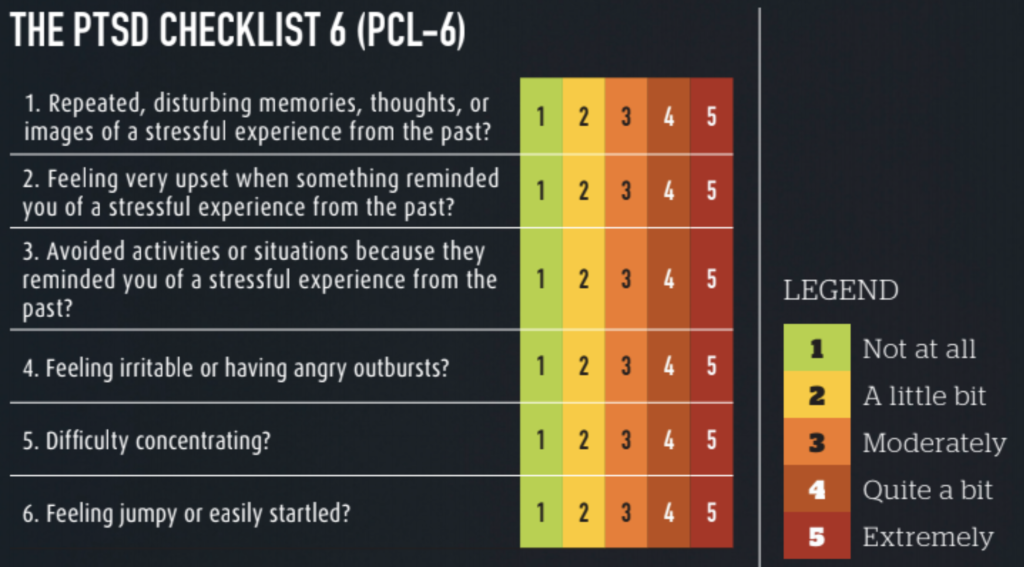
These experiences cause a variety of symptoms, including anxiety, irritability, disruptive behavior, depression, isolation, and even suicidal thoughts. We now have a common screening assessment for PTSD, called the PTSD Checklist (PCL). There’s a version for civilians (PCL-C) and one for military (PCL-M). If you score above 44 on the PCL-C, or 50 on the PCL-M, you may have PTSD, and need to see a doctor for further recommendations. A shorter version is the PCL-6, where a score of 14 or greater suggests that PTSD is likely.

ptsd chart

A physician may prescribe medication, psychotherapy, or both to assist in treatment. Studies have shown that these are about 50-percent effective in helping those with symptoms of PTSD — not perfect, but every bit helps. Medication stabilizes the mood and lessens some of the symptoms that are disrupting the individual’s life. Therapy is an essential adjunct to help the person overcome the negative associations and psychological pain attributed to the event. 

Medication

Drugs like Selective Seratonin Reuptake Inhibitors (SSRIs) and Seratonin-Norepinephrine Reuptake Inhibitors (SNRIs) are the standard of care for PTSD. SSRIs include drugs like Sertraline (Zoloft), Fluoxetine (Prozac), and Paroxitine (Paxil); Venlefaxine (Effexor) is a recommended SNRI. These drugs work on chemical components of the brain that help the patient deal with anxiety and depression that’s often experienced with PTSD. 

Another drug that has been helpful in some patients with PTSD is Prazosin. This drug is commonly used to treat enlarged prostate in men; however, it has been shown in some people to reduce the number of nightmares and improve quality of sleep. Study conclusions have been mixed as to Prazosin’s general effectiveness; however, it’s typically recommended to see if there’s a benefit in each individual patient. 

Lastly, medical marijuana has gained a lot of popularity for treating just about everything under the sun; however, it hasn’t been shown to provide a benefit in PTSD patients. 

Mindfulness

Jon Kabat-Zinn wrote his treatise on mindfulness back in 1990, detailing what mindfulness is and how to go about being mindful. In short, he proposed that we become mindful of the moment. Savor the food we chew. Feel the sun on our face and the grass beneath our feet. In doing so, we can gain an appreciation of our current moment and live a better, more in touch, life. 

Often with PTSD, the trauma keeps rearing its ugly head, and we forget about the moment we are living, and step back into a horrible time in our lives. Mindfulness offers an escape from the past as we focus on the now. There’s an excellent app called Mindfulness Coach that I recommend. Also check out www.mindful.org to learn more about mindfulness.

stock praying

Above: Mindfulness and meditation are essential components of PTSD treatment.  

EMDR

Eye Movement Desensitization and Reprocessing (EMDR) was developed by Dr. Francine Shapiro in 1990. It’s a complex form of therapy that combines modalities from other therapies to have its beneficial effects. Basically, in EMDR, the traumatic event is recalled while a repetitive act is performed (tapping fingers, roving eyes). This interrupts the old thoughts associated with the memory and creates a new pathway for the brain to associate with the event. The process can take a while to prime the patient for successful treatment. It has a lot of research showing its benefit, as supported by the World Health Organization, the American Psychiatric Association, and the Veterans Administration. I have seen this work in several patients with amazing success. See www.emdr.com for more information.

stock nurse or doctor

Above: Physicians should take a multi-disciplinary approach to treat PTSD.

Stellate Ganglion Block

The idea of using medication injected into the stellate ganglion on the right side of the neck was first proposed in the 1940s. It wasn’t until 2010 that the first study was done to see if stellate ganglion block could help with PTSD. Although the exact mechanism of how it works is unknown, the idea is that it “calms down” sympathetic stimulation of the nerves during anxious times. It’s still being used, but there’s mixed evidence that it’s helpful. The Veterans Administration suggests that more study needs to be done on this modality. 

Cognitive Behavioral Therapy

This popular and effective therapy focuses on the symptoms of trauma and its effects on thoughts, feelings, and behaviors. There are two modalities commonly used in CBT: exposure therapy and cognitive restructuring. In exposure therapy, the person might be asked to relive the trauma in a safe environment. The exposure can be written, verbal, or even virtual reality-based. In cognitive restructuring, the person is asked to recall the trauma in a more logical way, as they often only remember pieces of the trauma and sew together what they may have missed. The goal is to have the patient re-evaluate their negative associations with the trauma and to develop more effective patterns of thought. There are typically 12 to 16 sessions involved. 

cognitive behavioral therapy

Above: Cognitive Behavioral Therapy has been proven to be effective in treating PTSD.

Cognitive Processing Therapy

This was developed in the 1980s and is a specific subset of Cognitive Behavioral Therapy aimed at treating those who have succumbed to a sexually traumatic experience. Often, patients blame themselves after such an incident. Patients are asked to think about their trauma and how it has affected them. In order to overcome their trauma, they must develop an understanding of how they feel in relation to the trauma. They must develop new patterns of behavior associated with the event (e.g. “I survived the trauma because I fought the SOB,” rather than “How did I let this happen?”). CPT is typically 12 sessions long. 

Post-Traumatic Stress Disorder affects millions of people in the U.S. Our understanding of screening, diagnosis, and treatment has improved over the past 30 years. PTSD is now recognized by the American Psychiatric Association and the World Health Organization as a disease. Medications and relatively newer therapies, such as Eye Movement Desensitization and Reprocessing, as well as older therapies, such as Cognitive Behavioral Therapies, can provide benefits to people afflicted with PTSD. Treatment is lifelong, and there are no shortcuts. There is help, and there is hope, for those suffering with PTSD. 


About the Author

David L. Miller, DO, FACOI, is an internist in private practice for 20 years. His experiences away from the office have included time as a fight doctor in regional MMA events and as a team physician for 10 years at a mid-major university in the Midwest. Currently, he serves as the lead medical instructor for the Civilian Crisis Response team based out of Indianapolis.


MORE ON HEALTH AND FITNESS FROM OFFGRID


Book Review: The Meateater Guide to Wilderness Skills and Survival by Steven Rinella

The Premise: This book is a 21st-century outdoorsman’s manual. It’s meant to be a practical guide to the thoughtful process of gear selection, food and water, dangers to be aware of, shelter and warmth, navigation and travel planning, and medical safety. It’s a team effort from a group of professionals. To date, it has sold over 100,000 copies. While it’s aimed primarily at the active outdoorsman, the information in the book also serves as a detailed manual for disaster preparedness.

The 411: The pages of this book are densely packed with practical info, with no extraneous filler. 

I spoke with author Steve Rinella as part of my review process for this book, and think he can best describe the aim of this book in his own words:

Steven Rinella: “I’ve always gone into the outdoors, out in the wilderness, with something I wanted to accomplish. Whether it’s working as a journalist in very remote corners of the world, or filming a TV show, or hunting, or taking my kids out to teach them about nature, I’m going out because I want to get something done. I view wilderness survival skills as a way to facilitate accomplishing my goal.

“It’s not like I do a lot of camping just for the sake of camping. There’s a level of determination to go into places, enjoy them, and be effective. To do that, there are a lot of practical skills one needs to develop. There are also skills that you need to accumulate over the years. I think that once you get pared down to the things you need, and you know how to maintain them, then you know their applications. You keep them in your home, and they become a part of your home. We wrote a lot about building a basic kit. And then we say, it’s not a survival kit. It’s not a medical kit. It’s all those and more.

“When we go on a family vacation, I packed these things with me because it’s the stuff I know I need. It expands my ability to do things and feel comfortable. It’s got flashlights, batteries, med equipment, zip ties, all these things. Am I going into a wilderness setting? No. We’re going down to stay at a rental house, but I have it with me because it makes me feel prepared.

“I have a system in my truck. I keep my truck very well-stocked with first aid, medicine, food, insulated rain gear, tire chains, tire repair stuff. I have it all. When I’m going ice fishing or going hunting, I’ve got to be ready. But it makes it so I don’t care when I get in that truck. That thing is ready. I’m ready to go. If, somehow, I drove away from my house and my house vaporized, I would be good for a few days. I like to have that feeling.

“That does not mean I sit around rooting for the end of society. I quite like society. But I don’t live in fear of something bad happening and feeling like I’m not ready.

“I call myself an ‘accidental prepper’ because I have an enormous amount of freeze-dried food. I have firearms, ammunition, cooking fuel, everything. The only thing I needed to add, I realized, is in my crawl space. I keep treated water. That’s the only ingredient I needed to reduce my vulnerability because I already have the remaining gear as an outdoorsman, and I know how to use it.

“There’s a general preparedness that goes into life. When you get prepared, when you’re equipped, and have the knowledge, skill set, and the tool kit to get by in the winter up in the mountains, I would have to assume you should be pretty damn OK in town. 

“That’s my view on it. I harvest preparedness as a sort of side benefit. A perk to the lifestyle that I have is that, at all times, I feel prepped for whatever might come my way.”

The Verdict:

The book is a true cover-to-cover read. It’s one you will reread as a reference manual as you dive into each chapter to adjust your gear. Like me, you may make changes based on what you learn. I updated my water treatment kit to include both a high-capacity MSR water filter and an ultraviolet light Steripen. I expanded the types of food I’m stocking and testing. I now carry both Tylenol and Ibuprofen. I installed and learned to use new apps, and carry multiple ways to keep devices charged. And I bought electronic arc lighters, including one long enough to stick into and light a Coleman stove without toasting my fingertips. The bottom line is that if you want to thrive while surviving, absorbing this book is worth your time. 


the meateater guide to wilderness skills and survival

Book and Author

The Meateater Guide to Wilderness Skills and Survival
By Steven Rinella

Pages: 464
Publisher: Random House
MSRP: $20 Paperback ($15 on Amazon with this Link)
URL: www.themeateater.com

Rating:
 THRIVE
SURVIVE
     DIE


OFFGRID LIBRARY OF RECOMMENDED BOOKS


Gear Up: New Survival Gear for May 2021

Tyrant Designs | S&W Shield Extended Magazine Release

COLORS: Various, including Blue, Gold, and Red
MSRP: Starting at $25
URL: tyrantcnc.com

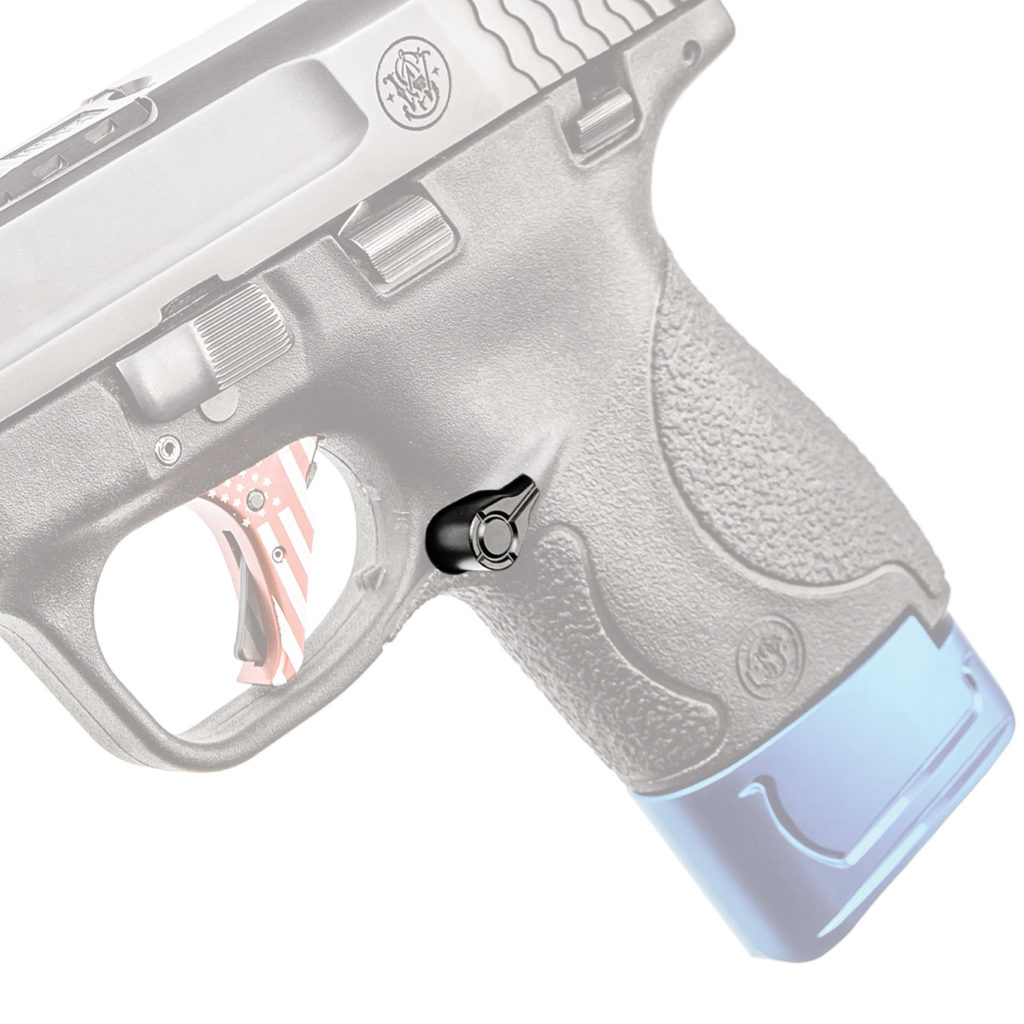
Tyrant Designs | S&W Shield Extended Magazine Release

In a life-and-death situation, having a second magazine full of ammo won’t do you any good if you can’t eject the first empty magazine efficiently from your firearm. That’s why Tyrant Designs has come out with this extended magazine release for the popular Smith & Wesson M&P Shield. By extending the length and increasing traction with a crosshair pattern, this sturdy component increases purchase and adds control to your relo.comads so you can press the release quickly without having to grope for it. Not just for show, this upgrade can boost both your gun’s aesthetics and performance. It can be installed in seconds without any tools. Designed and made in the USA, this mag release fits both the 9mm and .40-caliber versions of the M&P Shield, as well as the newer Shield 2.0.


5.11 Tactical | Field Watch 2.0

COLORS: Black, Kangaroo
MSRP: $170
URL: 511tactical.com

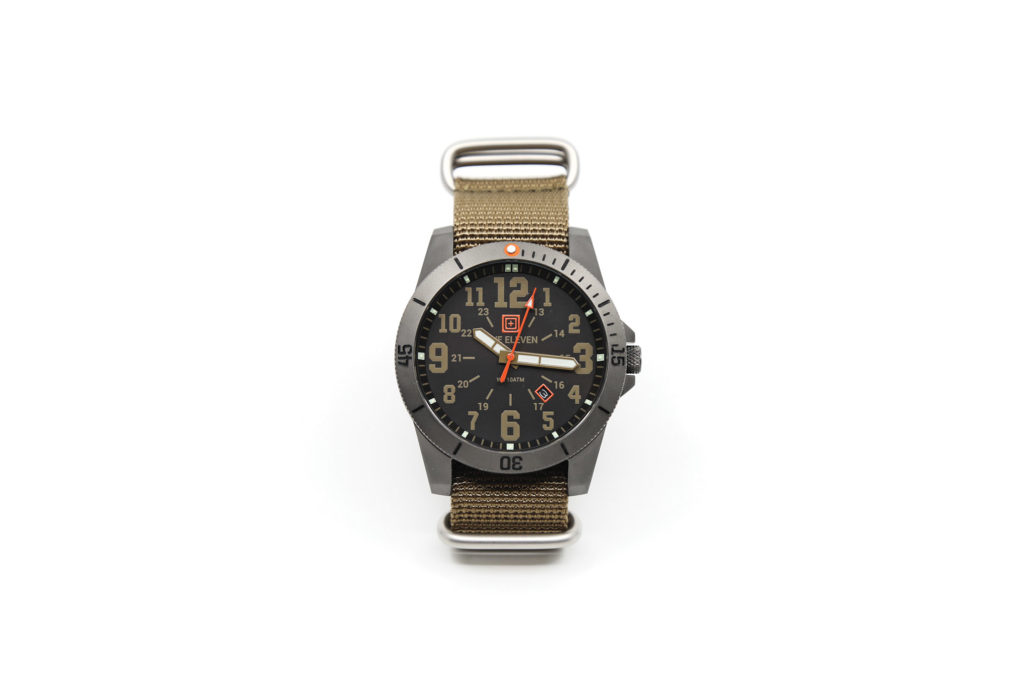
5.11 Tactical | Field Watch 2.0

Loyal readers will know that an analog wristwatch can offer many improvised survival functions — way more than we have room here to describe. But rest assured, the Field Watch 2.0 will perform admirably both in the backcountry and big city. It retains the best elements from the original Field Watch but adds two important features: a clear date window and phosphorescent Super-LumiNova hands (to see in dark conditions). They’re well protected thanks to a chip- and scratch-resistant mineral crystal display, a 44mm stainless steel case with a matte ion-plated finish, and a stainless steel screw-in backing. While the 22mm-wide nylon NATO band is a tad long for our liking, it’s sturdy and flexible. Plus, the watch is water-resistant up to 100 meters. 


SOG Specialty Knives & Tools | Pentagon XR

OAL: 8.38 inches
MSRP: $175
URL: sogknives.com

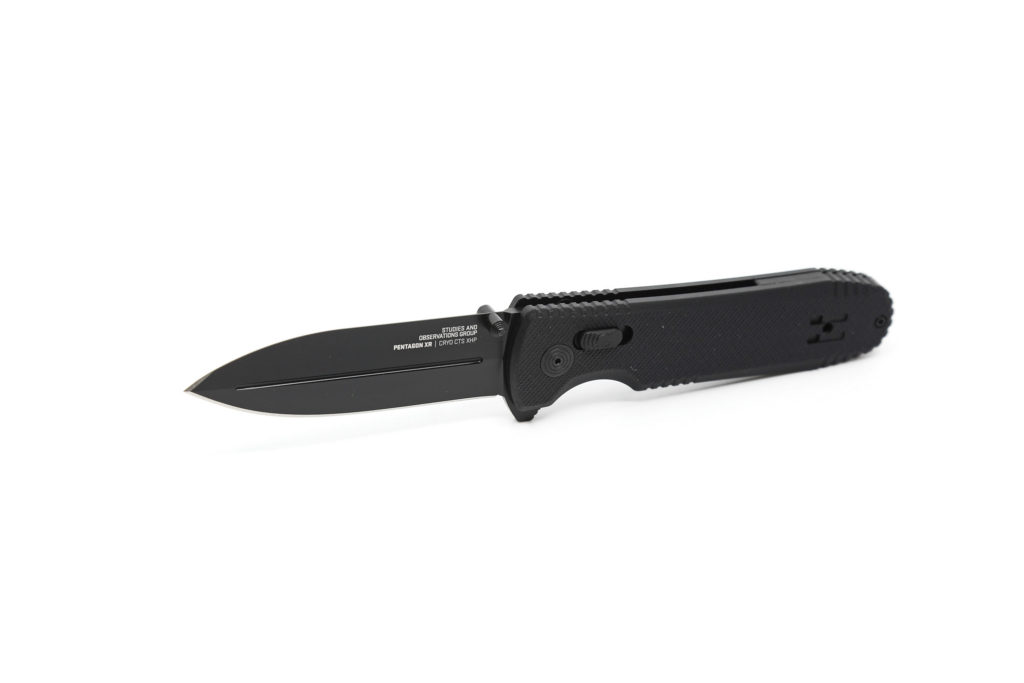
SOG Specialty Knives & Tools | Pentagon XR

SOG isn’t exactly what it used to be … and that’s a good thing! The Pentagon XR is a prime example of how the company has remade itself in the past year by refocusing on functionality over flash, and quality of products over quantity of sales. This folder’s spear-point blade is made of CTS-XHP, a premium stainless steel that has great corrosion resistance, toughness, and edge retention. These attributes make it effective for daily carry, professional use, or hard field use. Plus, the knife features SOG’s XR Lock, dual thumb-studs, a flipper tab, and a reversible pocket clip — all of which allow for ambidextrous, one-handed operation. Add in the ergonomic G10 handle, and the Pentagon XR is a top-performing, versatile folding knife that helps elevate SOG’s folding-blade lineup beyond many of its production-knife peers.


Maven Outdoor Equipment Company | CM.1

DIMENSIONS: 5.1 by 2 by 1.75 inches
MSRP: $150
URL: mavenbuilt.com

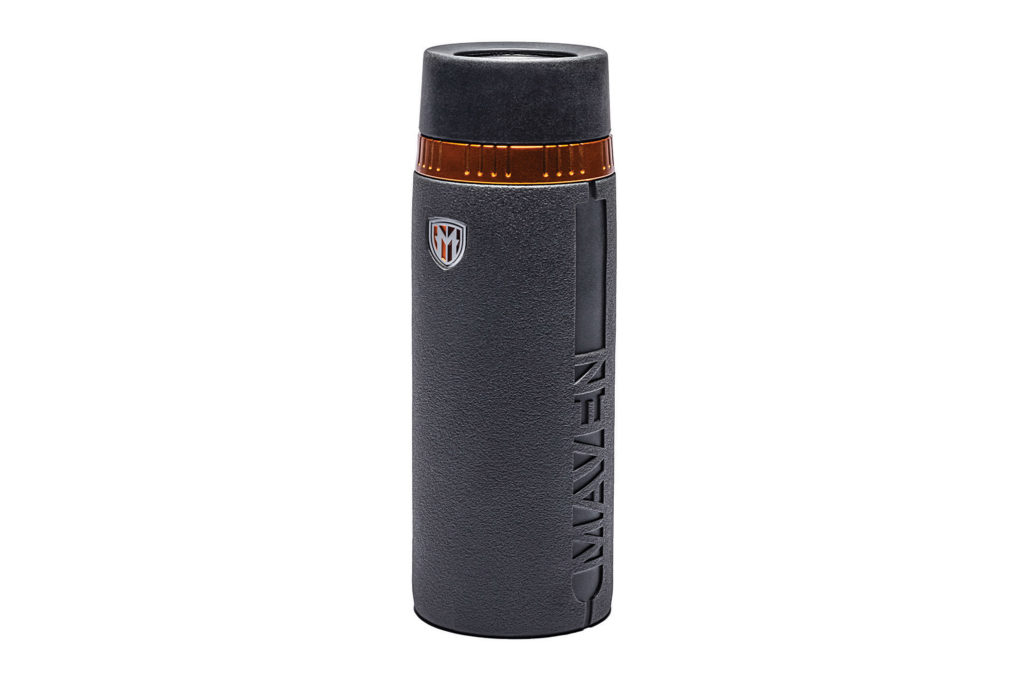
Maven Outdoor Equipment Company | CM.1

Whether it’s finding an injured hiker during a search-and-rescue mission or more mundane tasks like checking out what’s going on in your neighborhood, the ability to see at a distance can sometimes be vital. But when you want something more compact than binoculars or a riflescope (especially if it’s a non-shooting scenario), then a monocular is the way to go. Maven’s CM.1 offers you a mid-level optic solution that fits into your jacket pocket while giving you ample magnification with its 8×32 configuration. With its compact polymer frame and multi-coated ED glass, the CM.1 provides a clear, high-contrast image, strong color fidelity, and a substantial field of view. It’s also waterproof and fog-resistant, and comes with lens caps and a microfiber storage bag.


Mystery Ranch | Tech Holster

COLORS: Black, Coyote, Foliage
MSRP: $29
URL: mysteryranch.com

Mystery Ranch | Tech Holster

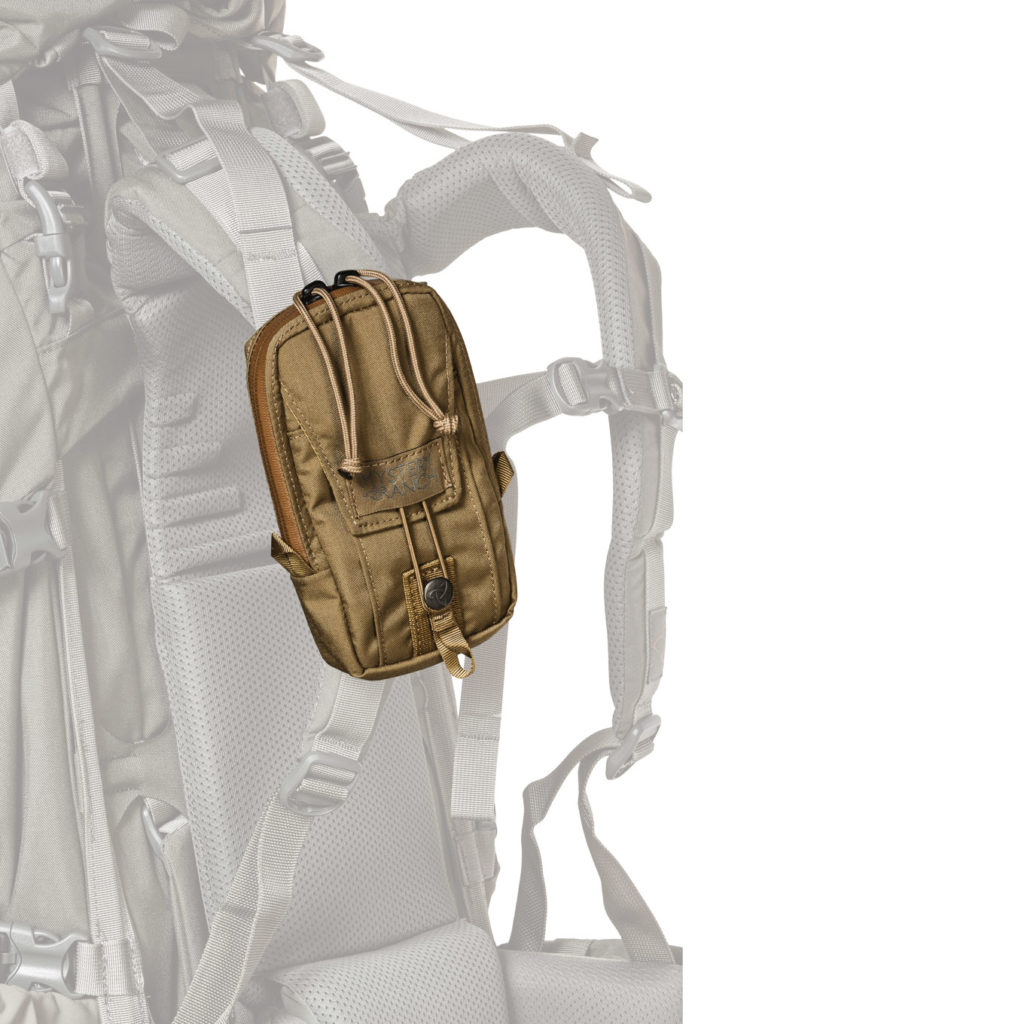
The Mystery Ranch Tech Holster is a convenient and portable place to stow your expensive smartphone or GPS unit outside of your pants pocket, helping you avoid the fear of it getting wet or cracked. Made of 500-denier Cordura fabric and a water-resistant YKK zipper, this padded pouch can be attached to your belt, PALS webbing, a pack’s shoulder strap, a binocular harness, or any MOLLE-compatible gear. The main compartment also has a separate section for cable storage, while an external front pocket can be accessed one-handed via an adjustable elastic closure with pull tab. One caveat: If you’re rocking a massive phablet (e.g. iPhone 12 Pro Max, Samsung Galaxy S21 Ultra, etc.), it might not fit in this holster, which has external dimensions of 7 by 4.5 by 2 inches. 


Gear Aid | Fire Strand 550 Paracord

WEIGHT: 4.58 ounces
MSRP: $12
URL: gearaid.com

Gear Aid | Fire Strand 550 Paracord

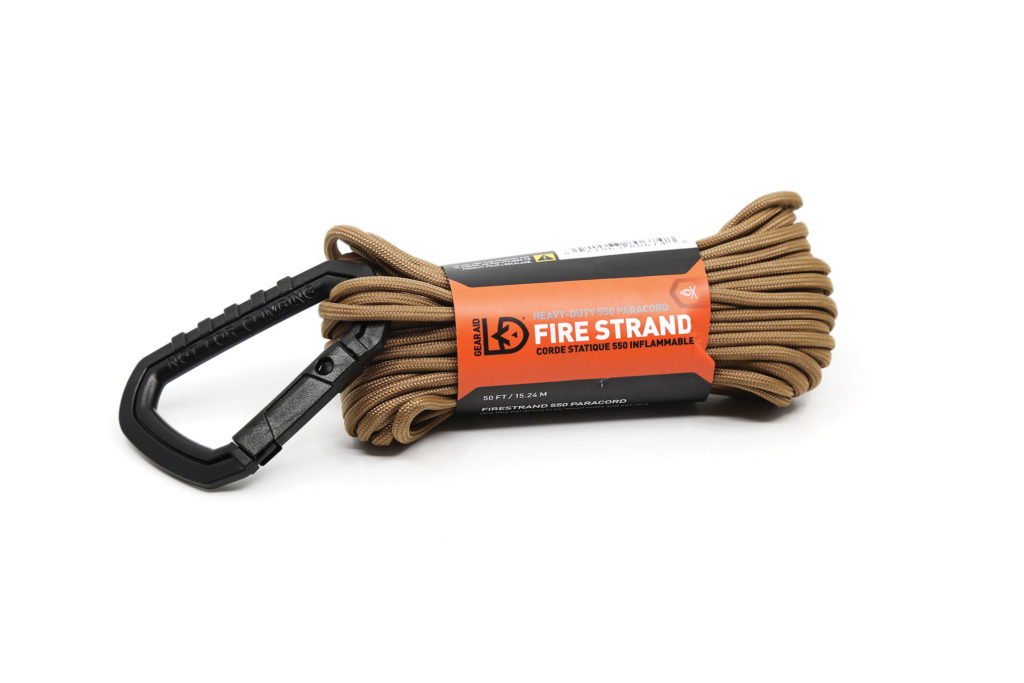
Cordage is an underrated piece of kit. When people prep their bug-out gear, most of the attention tends to go to water, food, fire-starting, and weapons. But rope or a strong string can make all the difference in certain situations, e.g. tying down your gear to your off-road rig. That’s why the Fire Strand 550 Paracord could come in handy. This seven-strand nylon cord is strong enough for all sorts of tasks, from tensioning tarps to making an improvised boot lace. But it has a hidden bonus: It can be unraveled to reveal a wax-coated fire strand for sparking campfires. The fire strand can also double as a fishing line or thread. Plus, it comes with a non-climbing plastic carabiner.


Outdoor Research | Merino Work Gloves

COLORS: Black, Tan/Grizzly Brown
MSRP: $110
URL: outdoorresearch.com

Outdoor Research Merino Work Gloves

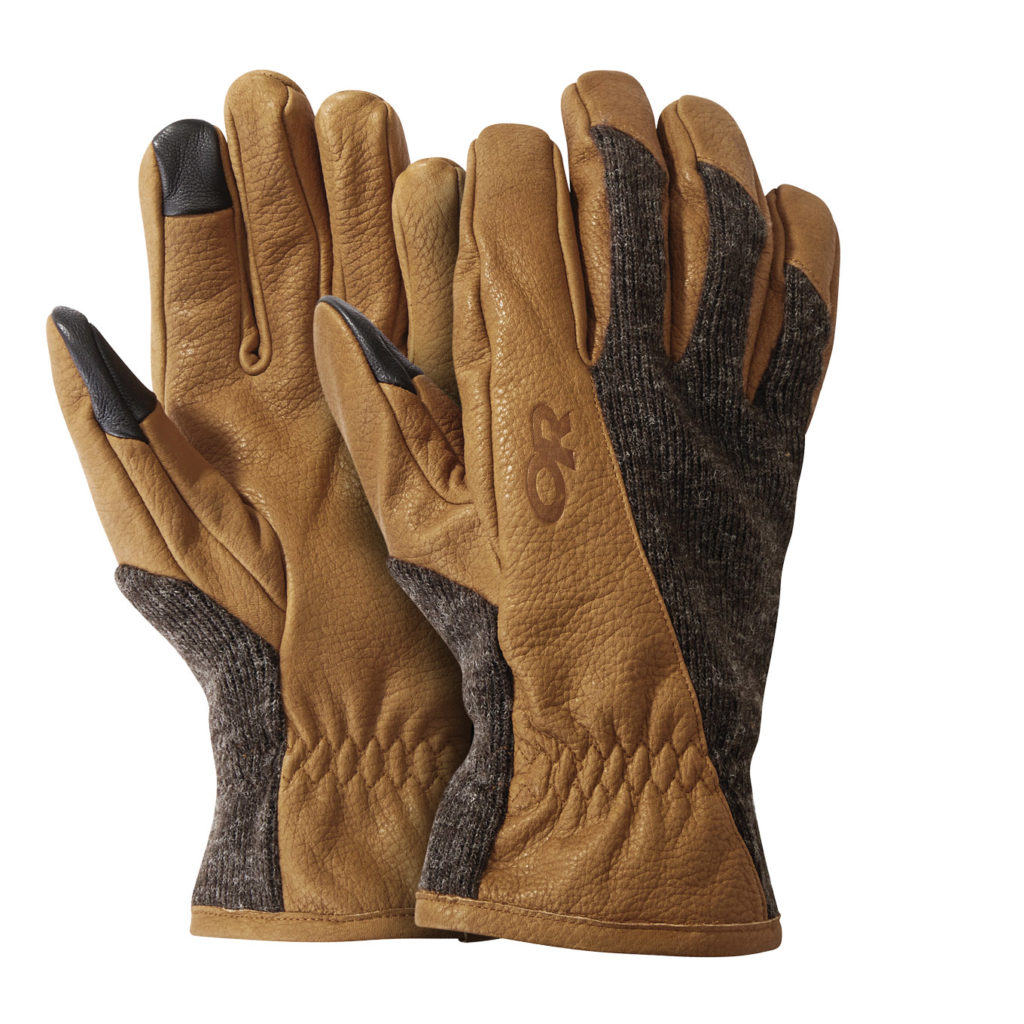
While the snow has melted in most places in North America, there’s still no reason you shouldn’t have a sturdy and warm pair of work gloves for chilly springtime nights or heavy-duty tasks that require a bit more paw protection. As the name denotes, the Merino Work Gloves are made partly of Outdoor Research’s Alpen-Wool — a blend of wool, nylon, and polyester that provides warmth, moisture-wicking, and odor-resistance. This is paired up with deerskin, which gets softer with use but maintains long-term durability. Moreover, the gloves have a pre-curved construction and elasticized wrist for a better fit, as well as touchscreen compatibility so you don’t have to remove the gloves to use your mobile device.


MyMedic | Auto Medic – Stormproof First Aid Kit

COLORS: Black, Red
MSRP: $150
URL: mymedic.com

MyMedic | Auto Medic – Stormproof First Aid Kit

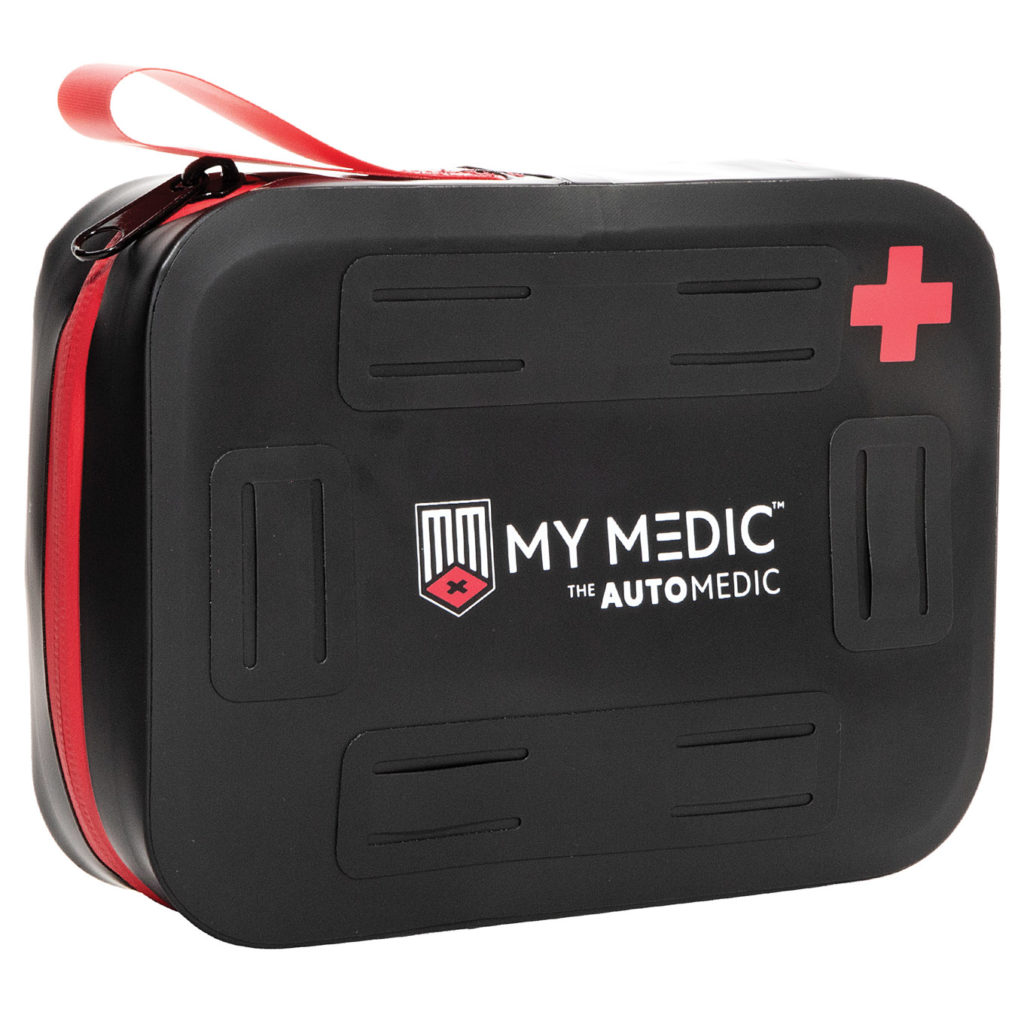
Stormproof is a recently released line of portable first aid kits that are meant to be stowed in various types of vehicles. The Auto Medic edition of Stormproof is (naturally) ideal for those driving four-wheeled transportation. It has key items for almost any emergency you might encounter while on the road, including a window-breaker, seatbelt cutter, EMT shears, and a pen light. If your ride breaks down in the middle of nowhere, there’s a survival blanket and hand warmers. For cuts and scrapes, there’s a microMend Cut Kit and various bandages. The whole package fits inside a weatherproof bag, which features MOLLE loops for easy attachment and modular mesh pockets on the inside for customization.


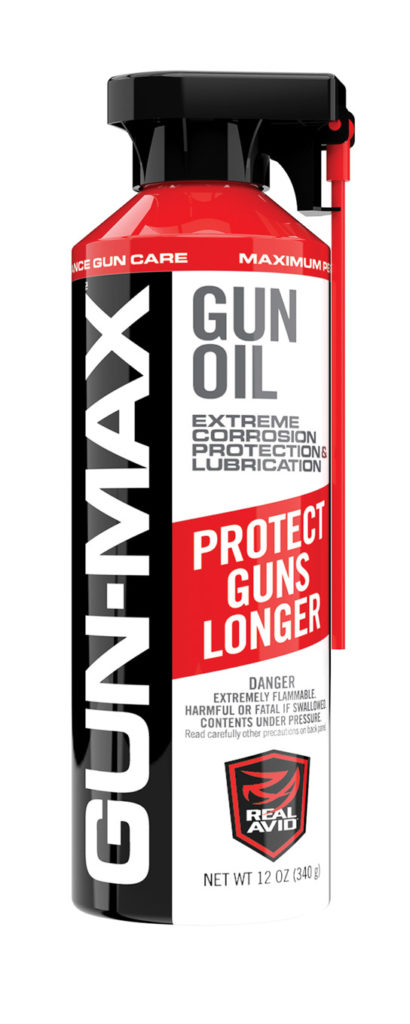
Real Avid | Gun-Max Gun Oil

NET WEIGHT: 12 ounces
MSRP: $13
URL: realavid.com

Real Avid | Gun-Max Gun Oil

The last thing you want to happen to your firearm in a life-and-death situation is to press the trigger and not hear a bang. Like anything else worth maintaining (e.g. your health, your relationships), this kind of failure can certainly happen if you neglect your guns. Cleaning and lubing them regularly is an essential part of extending their life spans and having them be ready when they’re most needed. Gun-Max Gun Oil helps make that easier, thanks to its powerful inhibitors (which displace moisture to prevent corrosion) and anti-friction additives (which bond to metal surfaces for extended lubrication). Unlike other CLPs or gun oils, this comes in a smartly designed can. Its flip-up nozzle has two positions: “up” for precise applications and “down” for a wider spray.


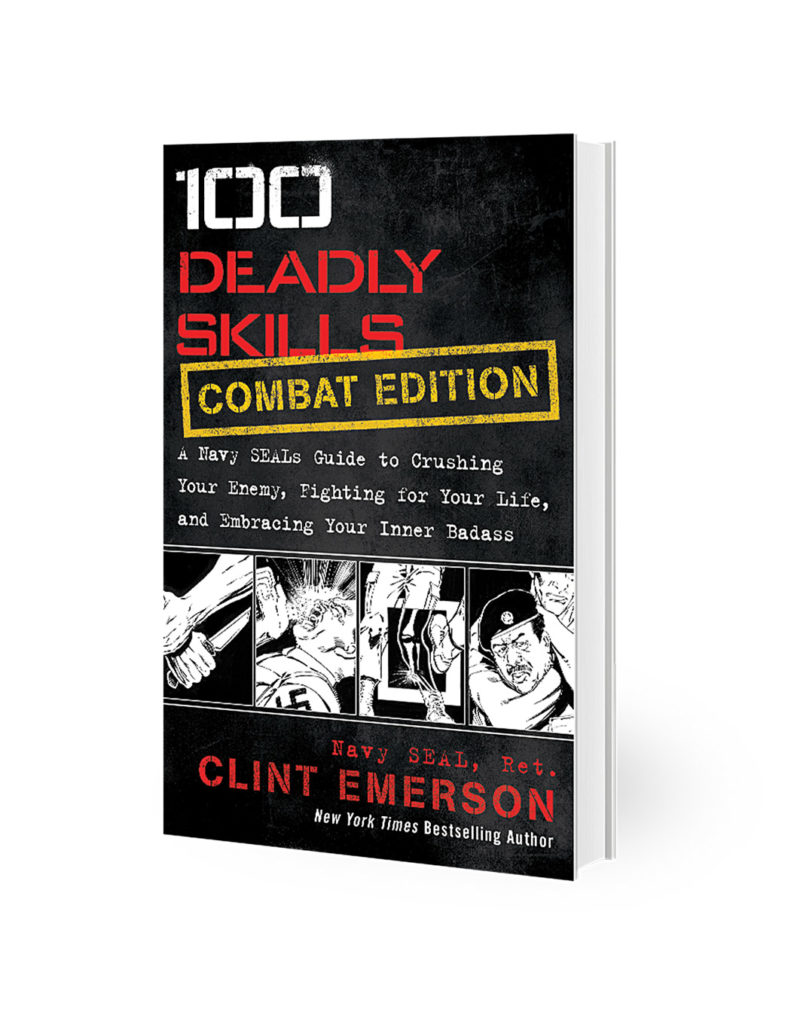
Lioncrest Publishing | 100 Deadly Skills: Combat Edition

PAGES: 330 pages
MSRP: $25
URL: 100deadlyskills.com

Lioncrest Publishing | 100 Deadly Skills- Combat Edition

Clint Emerson knows a thing or two about being violent when needed. He retired as a Navy SEAL with more than 20 years of service and founded Escape the Wolf, a company that focuses on crisis management for global companies. His best-selling 2015 book, 100 Deadly Skills, taught readers how to escape and evade dangers while at home or abroad. Now he’s back with 100 Deadly Skills: Combat Edition, a self-defense manual that includes everything from empty-hand combatives and surviving a multi-threat ambush to knife-throwing and drawing and shooting a handgun. Each skill isn’t just explained and illustrated; there are also QR codes that take you to a video for each concept.


Nutrient Survival | Chocolate Chip Cookie-Meals

SERVINGS PER CONTAINER: 15
MSRP: $25
URL: nutrientsurvival.com

Nutrient Survival | Chocolate Chip Cookie-Meals

Long gone are the days when survival food had to look like gray oatmeal and taste like old cardboard. Forget hardtack or MREs (aka Meals Refusing to Exit). Nowadays food prep technology has become so advanced that you can have chow that doesn’t just last a long time but also tastes delicious. The Chocolate Chip Cookie-Meals from Nutrient Survival are proof. These morsels have no artificial colors, flavors, or preservatives yet come packed with 14 vitamins, 14 minerals, Omega-3, Omega-6, fiber, and protein. One serving (two cookies) gives you 220 calories, 10 grams of fat, and 8 grams of protein. Plus, they have a shelf life of 18 months. They’re great morale boosters in a post-SHTF scenario or just as a satisfying everyday snack.


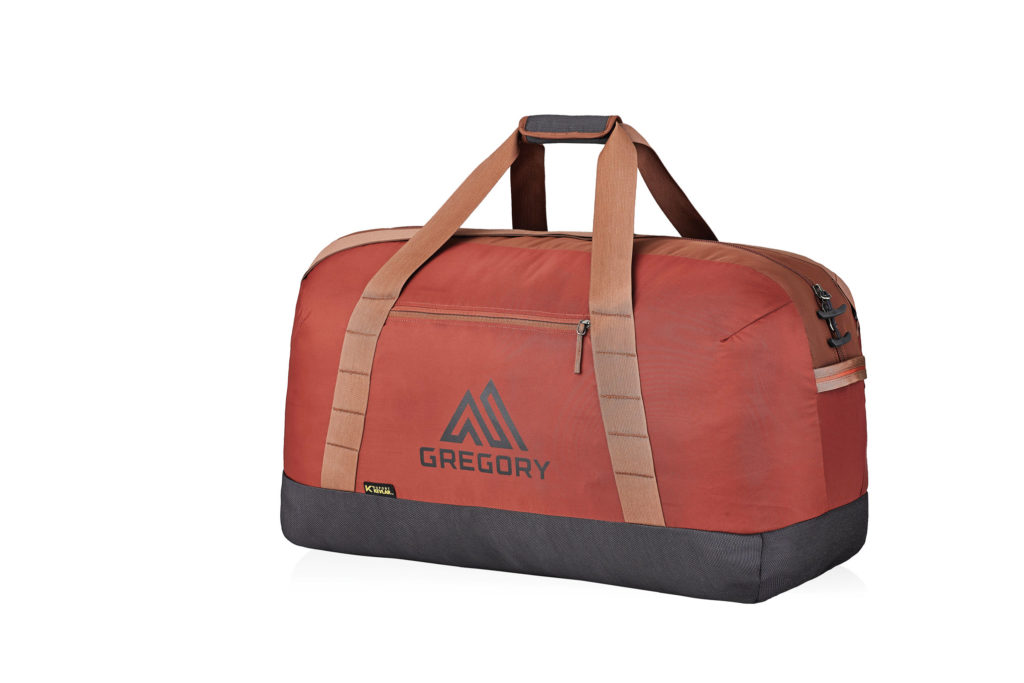
Gregory Mountain Products | Supply Duffel 90

COLORS: Brick Red, Obsidian Black
MSRP: $110
URL: gregorypacks.com

Gregory Mountain Products | Supply Duffel 90

This bag is so rugged and roomy that it could play double duty as a bug-out bag. But the Supply Duffel 90 is better suited as a camp/travel pack, a large gym/training bag, or as a vehicle emergency kit because of its rectangular shape, 420-denier nylon body, and flat Kevlar bottom panel for hard-core durability. Its main, lockable #10 YKK zipper can be opened or closed via a jumbo T-Grip zipper pull, while its side zippered pocket can transform into a storage pouch for the entire duffel when not in use. If you do need it to haul gear while on the move, there are grab handles on either end, padded handle wrap for suitcase carry, and an adjustable and removable strap for cross-body carry.


Find More Gear and Reviews on OFFGRID


NODs and Night Vision Tubes: Evaluating what Counts

Throughout human history, our species has always looked for advantages in both technology and tactics. The rock became the club, which became the spear, which became the arrow, and finally the firearm. The sword was always more important than the shield, and offensive technology was always forward-thinking and progressive. Regardless of time, culture, race, or creed, humans have always looked at our resources and thought, how can we weaponize this? One of the biggest hindrances to warfare has always been darkness — sure, fighting happened at night, but up until recently, it wasn’t conducted the way we do business in this century. And today, what is more evocative of a “Tip-of-the-Spear Operator” than a NODs wearing warfighter. 

Enter image intensification, more commonly known as night vision (NV). It’s light amplification on a large scale, turning very small amounts of light photons (be they visible or infrared) into multiplied electrons, then back to photons in a wavelength that our feeble human eyes can see. It’s been around since the 1940s in its infant form, but I’ll spare you that boring lecture. First and foremost, NV was designed for offensive operations — moving to and from a point of origin to close with and destroy the enemy. This is the advantage image intensification has over other technologies that can see into and through the darkness.

green phosphor night vision tubes

Above: Many will say the “green vs. white” argument boils down to personal preference, but physiological principles indicate that the human eye can perceive greater detail through WP tubes.

This article isn’t about the tactics, techniques, and procedures (TTPs) of NV usage in a survival situation or combat zone. That’s for another night, and best left to others to explain. Here and now, I’ll delve into some of the ins and outs of NV technology and night observation devices (NODs) so that, should you decide to add this amazing technology to your kit, you can be better informed. Much like researching the materials used and the specifications on an AR-15 before you invest in a high-end gun, this will pull back the curtain and explain several things in layman’s terms. 

whitt phosphor nods tube

Green or White?

One of the most readily apparent factors of NV is phosphor screen color. A much-debated topic as of the last several years, emotions can and do run deep surrounding this subject. To understand the argument, we must first understand how the human eye works.

The retinas of our eyes have two types of photoreceptors: rods for night and cones for day. Rods are sensitive enough to perceive trace amounts of light, such as silhouettes on a moonlit night, but cannot detect color and offer low visual acuity (sharpness). Cones are far less sensitive to light, but can interpret millions of colors with much greater detail. There are three kinds of cones: red, green, and blue sensitive. Cones also give you spatial acuity, which is why you’re much less likely to stumble or stub your toe in broad daylight than you would be in a dark room. The rod and cone cells are distributed evenly throughout the retina, except in a small central area called the fovea, where there are only cone cells. The fovea is the part used for detailed vision, like reading. This is why your peripheral vision feels less precise than your direct gaze.

It takes about a thousand times more light to activate the color cone cells than it does the monochrome rods, which is why detail and depth perception are much better when using both cones and rods, instead of just rods. Rods don’t provide much detail. The goal of NODs is to take light that might only be detectable to your rods, and intensify the image enough to allow your cone cells to detect it clearly.

NODs night vision

When using green phosphor (GP) NV we use our green cone cells, which make up only about one-third of our day vision. Humans generally don’t use rod cells with green phosphor NV systems or NODs.

With white phosphor (WP) NV (white light being the sum of all colors) we engage all three types of our day vision cones. So, WP is fully engaging our day vision mechanisms (cones) and even some of our NV mechanisms (rods). WP also has a strong blue component in the 400-nanometer wavelength range, where we engage a more substantial portion of our rod cells.

Using a WP NODs is akin to being able to use more of your brain processing power to think through and solve problems. You can certainly accomplish similar tasks with GP, but you’ll probably do so faster with WP due to the physiology involved. It delivers more light data to your brain. This leads to reduced fatigue because you’re not working as hard to gather the same amount of information. Contrast is higher and the data feed is broader.

You might be about to retort, “But Sam, the human eye can detect more shades of green than any other color in the visible spectrum!” Yeah, I’ve heard that a time or two. Here’s what you need to know about that — the dark-adapted human eye is capable of detecting more shades of green than any other color. What happens when you power up a bright phosphor screen in front of your eye? Bingo, no longer dark-adapted, so that factoid goes right out the window. In scientific terms, there’s a chemical compound in your eye called rhodopsin that’s produced at night. Once exposed to bright light, it photo bleaches.

operators wearing nods

Colorblindness is generally a genetic mutation of one of (or a combination of) the red, green, or blue cone photoreceptor cells in your eyes. True color blindness genes are carried on the X-chromosome, which is why it’s spread from grandfather to grandson. Very rarely is it expressed in women. If you’re truly colorblind, then that can affect your choice a bit, but WP probably still comes out on top for the reasons I outlined above. If you can’t see green, then WP is even more clearly the choice. If you can’t see red and blue, then maybe GP is the better choice for you.

That said, much of this argument still comes down to personal preference for many people. Nothing compares to trying both GP and WP in-person over an extended period of time to literally see which phosphor color one prefers. The physio/neurological basis for the detail, contrast, and fatigue advantages of WP are true regardless, but remember this as well: Some people are born with more of one type of photoreceptors than other folks. The same can be said about rods, as some people’s natural unaided NV is better than others, so genetics can come into play a little. Finally, individual tube and NODs specs and NV generation are important variables to consider. As we’ll explain momentarily, these issues need to be taken into account independently of phosphor choice for a truly useful comparison of WP versus GP. 

Next, we must get into the nitty-gritty of the tubes’ actual performance. Think of tube specs as what a dyno readout says about an engine’s horsepower and torque. In my opinion, the following are the five most important tube data points. It should be noted that there are others, such as luminance gain and high light resolution, that aren’t included due to their secondary nature as NV tube spec data points. This is a reference for U.S. Gen 3 systems and data sheets.

wearing nods at night

Photocathode Sensitivity: Photocathode Sensitivity is the PC’s ability to convert Photons to electrons. A higher PR usually corresponds to good SNR numbers. The minimum is 1,800 for the OMNI 8 contract. 1,800 is good, anything above 2,000 is very good. It matters a great deal to have properly matched photocathode numbers for a dual-tube system, +/- 100 is generally the range I adhere to when building/assembling dual-tube systems. This will prevent one tube from appearing noticeably brighter than another while in operation.

EBI or Equivalent Background Illumination: This is the amount of light you see through NODs when an image tube is turned on, but no light is on the photocathode. EBI is affected by temperature; the warmer the NV device, the brighter the background illumination. EBI is measured in lumens per square centimeter (lm/cm2). The lower the value the better. The EBI level determines the lowest light level at which an image can be detected. Below this light level, objects will be masked by the EBI. The lower the better. For example, this will determine the contrast of a ridgeline against the sky behind it. EBI is an often-overlooked data point, but is a very important one — many times the most important in terms of detecting and/or differentiating objects.

SNR or Signal to Noise Ratio: Plays a key role in NV performance. The role of the micro-channel plate, SNR is the unit’s ability to transfer a strong signal from input to output and is usually referenced as a ratio (19:1, for example). This measures the light signal reaching the eye divided by the perceived noise as seen by the eye. The higher the difference between the two numbers, the better. As the light level drops, scintillation (visual noise or graininess) will be noted sooner on a tube with lower SNR versus one with higher SNR.

nods close up

Center Resolution: Screen resolution measured in line pairs per millimeter (LP/mm). The higher the better. Usually listed in line pair increments of 57, 64, 72, 81, and so on. When a center resolution is listed, the line pair measurement could in fact be higher, but not high enough to cross the threshold of the next listed LP resolution. For example, a 64-line pair listed tube could in fact be as high as 71-line pairs, but because it doesn’t meet or exceed the 72 limit it cannot be listed as such.

Line pair resolution is generally not as important as many people make it out to be. For example, the human eye cannot tell the difference between a 64- and a 72-line pair when viewed through a 1x system such as a PVS-14. However, when used or viewed in clip-on NODs alongside a magnified rifle optic, a higher center resolution is preferred and often noticeable for better resolution/image quality.

Halo: Bloom or halo when looking at light source, or the ability to control the bloom when viewed. The lower the value the better. Objects can be masked or hidden behind bright blooms of light in tubes that have higher halo values. Lasers can also have more apparent bloom off certain objects in some tubes as opposed to others due to this attribute. A high halo value can contribute to a lowering of tube resolution (high light res) thus affecting what can be seen/detected by the user.

nods bloom

Above: Halo comes into play when looking at a light source that has the potential to overload receptors in your NV tubes. High-quality tubes will be able to better modulate incoming light from secondary sources like lights and illuminators.

FOM or Figure of Merit: This is simply center resolution multiplied by signal to noise ratio. The higher the value the better. It’s a quick, down-and-dirty way to determine the performance of a tube, mostly for export purposes set forth by the U.S. State Department. Because FOM measures only two data points, it’s not the be-all and end-all of a tube’s performance. In other words, you could have a low to average FOM tube that can, in certain lighting conditions, outperform a tube with a higher FOM, or at least match its real-world performance. EBI, photocathode sensitivity, and halo are three very important data points to take note of when looking at a tube. 

Are Tube Specs Important?

This is an often-asked question and the short answer is maybe, maybe not. If you’re using a NODs as a stand-alone unit without supplemental infrared (IR) laser/light energy, such as for astronomy purposes, then a tube with high data points overall is going to do more for you than a lower performing system. Notice I didn’t say FOM — as I stated previously, FOM is not the be-all and end-all in a system, though it should be noted. 

Now, can a human tell the difference between a 30 SNR tube and a 37 SNR tube? Not in all but the darkest of lighting conditions. Even then maybe not, depending on the viewer’s eyesight. You can chase NODs tube specs until you’re blue in the face, and in reality gain nothing but wasted time and energy. Go with what I list below as a template for tube specs, and try not to get too wrapped around the axle about them.

For a thin-filmed Gen 3 system some good numbers to go off of as of the writing of this paper would be as follows:

  • Photocathode: 1,900 or higher
  • EBI: 1.5 or lower
  • SNR: 26.0 or higher
  • Center Resolution: 64 LP/mm
  • Halo: 1.0 or lower
  • FOM: 1728 or higher

Moving onto an unfilmed system, good numbers to go off of are as follows:

  • Photocathode: 2,000 or higher
  • EBI: 1.0 or lower
  • SNR: 30.0 or higher
  • Center Resolution: 64 LP/mm 
  • Halo: 0.8 or lower
  • FOM: 1920 or higher

If you have NODs that exhibits most or all of these numbers, you possess a very solid performing system.

Green Phosphor Nods image

If you’re using supplemental IR lighting in conjunction with NODs for detection and targeting, then that’s going to boost the capability of a lower performing system significantly to the point where tube specs are going to matter less and less. This is especially true at close ranges under 100 meters. Put simply, a powerful laser/illuminator is going to do more for you than tube specs will almost every time. 

Ultimately though, it comes down to training with your gear and training your eyes how to observe your environment. As you spend more time using NODs and acclimating your eyes to them, you’ll be able to see things with a lower performance system than folks who are untrained and unaccustomed to using a higher performance system. If I was behind the wheel of a high-performance Formula 1 car, a skilled racecar driver could still beat me around a track in a street car simply because I don’t have the experience to make the most of that highly tuned vehicle.

The opinions expressed in this writing are mine and mine alone. Technology advances as time goes on, so in the future some (or much) of what’s said is sure to change and/or be updated. If you’re seeking further info, I welcome you to watch some of the informative videos I have on my SilentSolutions YouTube channel or attend a Greenline Tactical class taught by me and Don Edwards. 


About the Author

Sam Houston is a 10-year Veteran of the U.S. Navy, where he flew onboard P-3C Orion surveillance aircraft as a flight tech and sensor operator supporting combat operations in multiple theaters. Transitioning to the civilian sector, he became a qualified UAV operator/maintainer on RQ-27’s, logging over 2,000 hours supporting conventional and Special Operations Forces in Iraq and Afghanistan, both on the battlefield and remotely, as well as a thermal and electronic surveillance sensor operator on RC-12 aircraft supporting U.S. interests overseas. He’s currently in the Florida National Guard as a forward observer. 

Sam owned and operated a NV hog hunting outfitting guide service, taking clients into the Florida swamps and forests to search, locate, and harvest feral pigs with the aid of NV and thermal optics. In 2015, he was hired by TNVC and ran the NV Goggle build and repair programs and continues at TNVC as the special programs manager and a night vision technical advisor. Additionally, Sam helps run the Night Fighter NV Training Program with Don Edwards at Greenline Tactical, and works for John Lovell at the Warrior Poet Society as an assistant instructor.


MORE ON NIGHT VISION


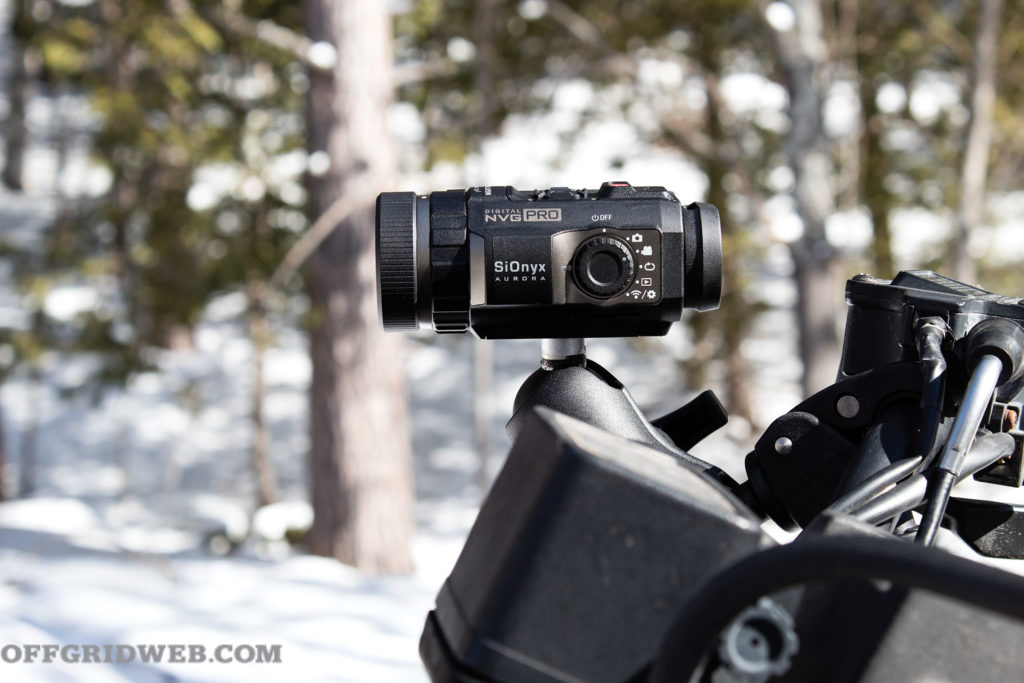
Sionyx Aurora Pro: Not Just Night Vision

A long time ago, on an Army base far away, I began my military career training to be a Cavalry Scout. This reconnaissance-oriented occupation was all about observing the battlefield undetected, whether we were in a vehicle or traveling on foot. Of all the tactics we were taught, none were as important as leveraging every asset at our disposal to our advantage, including the time of day. Scouts learn to operate under the cover of darkness to an extreme degree. After nearly a decade within the ranks, I had the opportunity to use and abuse multiple generations of night vision optics under some of the most austere conditions. A few of those optics appear in the movies, but some of them required non-disclosure agreements. I recently had the opportunity to evaluate commercially available digital night vision optics in the form of the Sionyx Aurora Pro.

Sionyx Aurora Black in Pelican

Above: Nestled snugly in a near-impermeable case, the Sionyx Aurora Pro has more than enough protection to survive strong impacts and adverse atmospheric conditions.

Affordable Versatility

Sionyx uses digital night vision technology — as opposed to the analog tubes used by most of its competitors — to give you a view of the midnight realm in full-blown technicolor. After spending years staring at varying shades of green or gray, I was eager to get my hands on a system that could revolutionize how we interact with the dark.

Sionyx on MK18

Above: When the Trijicon MRO and Sionyx Pro are properly aligned, nighttime range training becomes a walk in the park.

If you’ve ever looked at what it costs for a third-generation night vision optic or a FLIR thermal optic, you’ll quickly learn that it’s not an inexpensive purchase. For thousands of dollars, you can have the latest analog, monochromatic optic. Now look at the top model that Sionyx has to offer, just south of a grand. They even offer financing for those of us who don’t have fat stacks of Benjamins lying around. Models with fewer features are even less expensive, making Sionyx a widely accessible option for those who need to see in the dark.

Options. As if Seeing in the Dark Wasn’t Enough …

There are several models to choose from (Aurora Sport, Aurora Black, Aurora, and Aurora Pro) each with their own pros and cons. Every optic is water- and dust-resistant, and submersible down to 3 feet for 30 minutes, which means any Sionyx optic is safe to use in the most torrential downpours. A clear, scratch-resistant lens cover keeps your view crystal-clear without having to worry too much about abrasions, and each model has been drop tested from 1 meter onto concrete. Durability in harsh conditions is great, but how do these digital optics differ from their analog counterparts? 

All models have built-in memory, because they not only allow you to see in color in the dark, they also double as a digital camera which has settings comparable to a DSLR, including the ability to adjust your aperture and shutter speed. An accelerometer will let you take panoramic pictures in landscape or portrait modes. Sionyx optics will also film video at 720p with an adjustable frame rate of up to 60 frames per second. Remove the micro OLED 1024×768 eyepiece, and you’ll be able to increase the storage capacity with your choice of MicroSD card. I recommend choosing a high-quality MicroSD with fast transfer rates. 

In addition to these standard features, the Black, Aurora, and Pro models offer additional benefits. They are weapons-rated up to .223/5.56, and both the Aurora and the Pro feature GPS, compass, metadata, and accelerometer recording. The Pro tops out the memory features with 256 gigabytes of onboard memory, and a 32-gigabyte MicroSD card. Sionyx also offers an attachable IR light that enhances visibility through the optic, as well as a Picatinny rail adapter that allows you to mount the optic to your favorite weapon. 

Sionyx Aurora GalilAbove: Jeff Stroud (aka Freebird) eagerly prepares to engage targets previously obscured by the dark.



The applications for a night vision optic dramatically increase when it’s paired with the right mounting options. With the use of a Wilcox helmet mount, rail adapter, and your choice of tactical head gear, you can walk around with this optic hands-free. Ram Mounts makes ruggedized device cradles, and with the right one, you can attach the optic to the handlebar or storage rack of an ATV or snowmobile. 

Impressive Performance

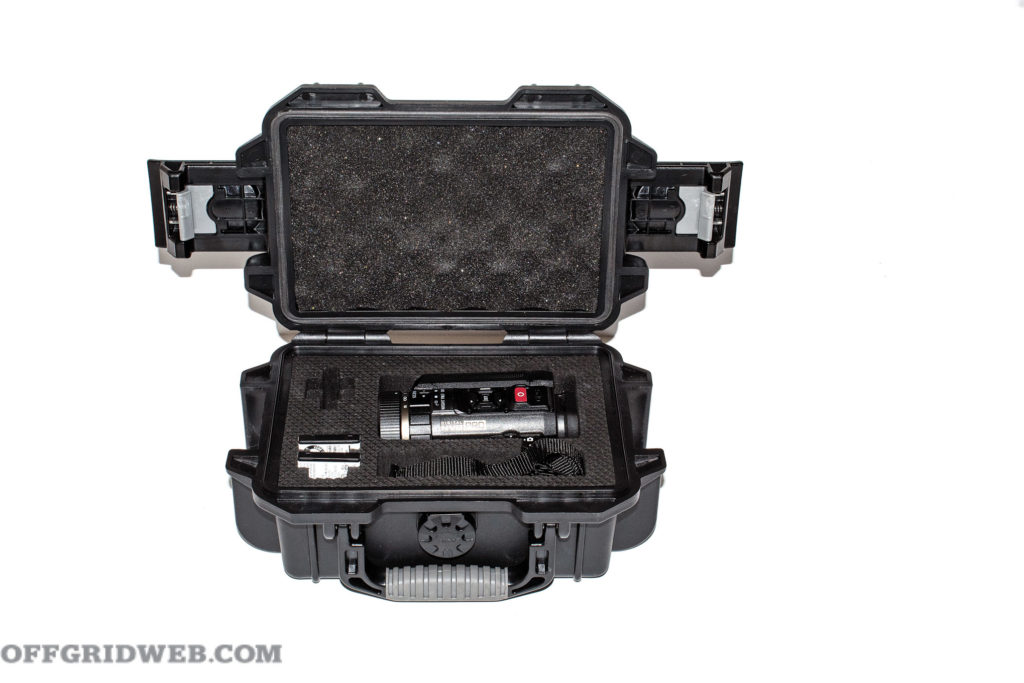
My first impression of the Sionyx Aurora Pro was the protective polymer case in which it was delivered. If you’re familiar with Pelican cases, you won’t be disappointed with the case Sionyx provides — it’s durable, sealed against water and dust with a one-way pressure valve, and features snap latches and a carry handle. Inside, the optic is nestled snugly in molded polyethylene foam. Two spare batteries and a neck strap also accompany the optic, but I was surprised by the absence of a manual. Figuring out how the system works on my own seemed easy enough, but I did contact
Sionyx about it. Their team promptly emailed a digital version of their operating manual along with a list of recommended optimal settings.

Sionyx pro geotag

Above: Capable of macro photography, Sionyx allows professionals to geotag small but important details.

Charging the optic took less than an hour to bring all three batteries to their full capacity. When first powering up, note that there are three viewing settings — Day, Twilight, and Night — which can be set with a quick turn of an adjustment ring on the front of the optic. Inadvertently using the wrong setting will not harm the optic’s sensors (another benefit to using digital night vision), and the transition is nearly instantaneous.  

Sionyx Suburb

Above: Poorly lit suburban areas become brilliantly exposed.

Viewing the surrounding landscape outdoors is phenomenal, but I also wanted to see how it stacked up to being indoors with nearly zero ambient light. Some of my military scout training included many years of urban combat, which is a cool way of saying “stumbling through pitch black buildings using optics that afforded less-than-adequate depth perception.” My first impression of the Aurora Pro Night Color mode didn’t provide the clearest picture, but the device has several built-in “Night Tone” viewing options, such as Night Color, Green, and Grayscale, all easily interchangeable with the push of a button. Grayscale, after adjusting the focus and contrast, seems best for pitch-black indoor conditions, with very little loss of depth perception. 

If you’re familiar with some digital photography basics, you’ll enjoy the customizability of the Aurora Pro’s camera settings, which allow the shutter speed, brightness, contrast, zoom, and focus to be adjusted. The adjustments are straightforward and simple to understand. I was pleasantly surprised at how well the optic could focus for short-range macro photography, and the panoramic option works better than some phones I’ve owned in the past.

Aurora Pro City

Wi-Fi is featured on every Sionyx model, which allows you to utilize an app available on iOS and Android devices. This app lets the user see what the optic is looking at in real time, adjust the optic’s settings, take pictures, and record video remotely. Sionyx chose Wi-Fi instead of Bluetooth because it offers longer ranges, faster transfer rates, and less latency. Ideally, you’ll want to have as unobstructed of a line of sight between optic and device to improve connectivity range and quality. 

Admittedly, app usage may present the optic’s only downside. The app can tend to be quirky if the connecting process isn’t performed exactly right, and it can be frustrating to troubleshoot. Along with wireless communication comes a small amount of lag, which seems to be one of the biggest complaints when sifting through reviews on the app store. But remote and mobile wireless observation with a little lag is a fair compromise over being tethered to a cumbersome hard-wired device.

Sionyx Aurora Animal Predator

Above: Creatures of the night can no longer hide in the darkness.

Wi-Fi capabilities open a realm of clever uses for the optic. For the purpose of surveillance, placing the optic discreetly within 20 to 30 feet will give the user the advantage of viewing the intended target while being able to monitor from a concealed location. A sensitive onboard microphone will pick up and record quiet noises many digital cameras ignore. Even more impressive, and my favorite application so far, is mounting the camera to an ATV and going partial blackout mode. Pair the optic to your phone and you can see farther down the trail than you could by running on headlights alone. With the proper Ram Mount setup, your ATV or snow-machine can be as stealthy as the Batmobile. I should caution you though: Because of the wireless communication latency, the faster you travel with this optic, the less time you’ll have to react to sudden changes. This just means you need to ride/drive with caution and be aware that what you’re seeing may be a few tenths of a second behind.

A Night at the Range

To test its capabilities on a firearm, I reached out to the guys at 906 Tactical and gave it a run at a night range. Weather conditions at the range were typical of a January night in Upper Michigan — 15 degrees F, overcast, and as close to pitch black as you can get in the snow. Jeff Stroud, the owner and instructor of 906 Tactical, helped with testing, and was able to clearly identify silhouette targets at 150 meters and rough shapes beyond 200 and using Night Color mode. Picatinny rail mounting was a breeze, and before long we were ready to ring some steel.

Sionyx Aurora Green Wash

Above: Utilizing a head mount keeps hands free for light-sensitive repairs or pest control.

Technical specs of the Sionyx Black, Aurora, and Pro have the optic rated for .223/5.56 weapons systems, and 906 Tactical provided several demo guns. First up was a silenced Daniel Defense Mk18 with Trijicon MRO sight, mounted high enough to be level with the center of the Pro’s objective lens. After some adjustments to the Aurora, we had a clear view of targets between 50 and 150 meters, and full use of the MRO’s 2-MOA dot. The .223’s recoil had no effect on image stability. There was a brief flash of washout in the Sionyx optic after shots were fired, but it recovered rapidly. We even ran it mounted to two versions of a Galil Ace, in 5.56 and 7.62x39mm, equipped with a Holosun 510c reflex sight and an Athlon 1-4x magnified optic. 

If using night vision on a weapons system, I recommend pairing it with a holographic or dot sight that’s capable of projecting in green light and has a night vision setting. When using the Sionyx with a Holosun 510c, I noticed the green reticle was less intense and didn’t overwhelm the targets with its brightness. When using a magnified scope, make sure you can place the Sionyx Aurora in front of the sight’s objective lens. This will allow you to use the Aurora’s zoom capabilities cumulatively with the scope and get a much closer look at your target. Just be aware that, without a rubber eye cup, the green indicator light on the side of the optic does give off a small amount of visible light.

NV Isn’t Just for Professionals

Many people associate night vision with professional tactical teams. While that’s certainly an effective use for night vision, there are many others that could benefit from having an affordable night-capable optic.

Every year, I hear another story about someone who was out hunting until sunset, got lost, and ended up with a nasty case of hypothermia because they spent the night getting turned around trying to find their way back. With a digital compass and onboard GPS, the Sionyx could be very helpful in such a situation.

Above: From Left to Right: A scene in natural ambient light; “twilight” mode; night grayscale; night color.

Say a storm rips through your neck of the woods and you must go out to assess the damage. Just take a photo with the optic, and you’ll have GPS coordinates to the location of said damage. You can then provide photos and exact coordinates to responders or repair crews.

Anyone familiar with trail cameras understands how frustrating it can be to capture an image or video of a species you’re after. With a Sionyx optic, you could record your own high-resolution observations with metadata included.

Sionyx Aurora Pro

Above: ARs are great to shoot under normal conditions, but being able to train under the stars elevates the experience to a new level.

Individuals could utilize it for personal and home security to survey a yard, large property, or even look downstairs into your living room. Late-night thrill-seekers could use it for recording their adventures. Medical personnel arriving at the scene of an accident in the middle of the night could quickly find someone in need of attention. The point I’m trying to make is that having a quality night vision system that’s this affordable opens so many opportunities that were previously unreachable.

Final Thoughts

Based on my previous experiences, I can say that Sionyx devices offer a substantial nighttime capability to just about anyone who has a need or want, with more features and a lower price point than the majority of conventional night vision devices. Affordability and versatility are often key decision-making factors when choosing a tool or piece of equipment to purchase, and Sionyx offers both. If you’ve been hesitating to invest in night vision because of the prohibitive costs associated with it, Sionyx night vision optics might be just what you’ve been waiting for. 


Sionyx Aurora Pro

Sionyx Pro

Above: Ram Mounts offers the right hardware to mount the optic to your choice of off-road vehicle.

Included:

  • Aurora Pro color night vision camera
  • Hardshell waterproof case
  • 2 camera batteries
  • USB charge/data cable
  • 32GB MicroSD card

MSRP: $999
URL: www.sionyx.com

[Editor’s Note: It’s worth mentioning that Sionyx Night Vision can be found on Big Daddy Unlimited. Read about it here on RECOILweb. The Savings on a Sionyx Sport, will pay for more than a year of BDU, and the unit will cost about the same as a used Glock.)

-Click here for a Big Daddy Unlimited Trial month for 99 cents.-


More on Night Vision


GBRS Group: Shadows that Bite

Photography by Josh Munger.

An old maxim of creativity is to take two things that aren’t normally seen together and combine them in a way that brings out new qualities in both. In regard to survival, when not under the stress of an immediate threat, this has led to the development of tools, gear, and skills not considered before. Some disappear almost immediately; others become the new standard. From the outside, GBRS Group appears to be combining two things that don’t obviously fit together: skateboards and night vision. But after talking to them, we realized they’re a surprisingly natural match.

The team at GBRS Group isn’t just a group of medically retired SEALS who provide top-tier training for end-users.

Digging into the history of combat footwear, for years those engaged in combat looked outside traditional military supply lines for anything that would give them an advantage. Skate shoes brought something otherwise overlooked to the table: dexterity and silence, both of which are sought after by those who operate mostly at night.

In the same way, Slade, DJ, and Cole of GBRS Group bring that mindset not only to survival training, but to their work with night vision, tactical gear, and firearms as a whole. Respectful of the old ways and focused on breaking problems down into their parts to comprehensively solve them, their approach to training isn’t as simple as a mere maxim. Instead, it fits into exploring new features of night vision by taking them into the world of extreme sports and practicing a skill until it becomes performance on demand.

Medically retired from the SEALs, GBRS Group’s cadre offers training for those who present them a problem to solve. This flexible approach works to their advantage, as the tactical training industry can often become hyper-focused on trends. In contrast, they’re masters of the fundamentals, especially those that relate to night vision and close-quarters combat. For all the times we’ve heard someone talk the talk on fundamentals, it’s refreshing to see that GBRS Group can pull them off, without a hitch, only to explore new options once the foundation is secure.


GBRS Group Slade

Above: Lightweight and Low-Vis are terms that can be applied to both guns and footwear.

What is GBRS Group? What is it that you Do?

GBRS Group: We are a Tier 1 tactical training and brand consulting company focused on providing training and equipment to end-users in military, federal, state, and local special operations units. We provide insight and development assistance to companies who serve end-user equipment needs, in addition to marketing strategy, entertainment consulting, and content production.

In other words, GBRS teaches everything but open water scuba. In our collective, we are really big into the “why” of what we do. There are a lot of people out there that can teach “hard skills”. It’s up to the professionals to provide context. It would be pretty difficult to talk about the “best” way to run your gun in a gunfight, if you’ve never actually been in a gunfight.

Where were you before starting GBRS Group?

GBRS Group: When we were in the SEAL teams, we were effectively a free-fall SWAT team. That’s all we did. We flew to a target, or drove there, or walked in, and did CQB once we got there. We had to strip away everything else that didn’t matter and do things that make you good at CQB and one of those skillsets is shooting. Shooting doesn’t matter if you can’t move predictably and efficiently on target with your weapon system. It’s a balance that very few units actually attain.

Stripped down to its parts, only two things really mattered: actions on target and the means to get you there. For the guys that actually were doing the job, that’s what became important. You would find leadership at the officer level who wouldn’t understand that and they would get distracted. By stripping down a mission to its bare parts, we could accomplish it in the most efficient way possible.

How did you approach training in the SEAL teams?

GBRS Group: When we would set up training, who was in charge of it? The Assaulters, the guys that were doing the training. You can teach anybody to go through a door, but they’re not going to understand fully why they’re going through that door and what it took to get them to go through that door the way they’re doing it. The mastery level is not just teaching tactics or techniques, but truly understanding why we teach that technique. Everything you did was a rehearsal for night. You would do daytime iterations to prepare for that evenings’ nighttime iterations. 

Following the Jedi Approach, if you’re not willing to sacrifice everything to be as good as you can be, stay home. The last thing the teams need is another 89% all-in-dude.  When you look at it, it’s all the little small things, and we looked at training that way. At any moment we could have been called upon to pull off a difficult mission, and if asked, should be able to respond with a yes. That meant we were never in a cold-bore status. We didn’t do anything else, no real hobbies, except what made us better. If you live like that, chances all of your friends are going to live like that. You have to surround yourself with better people.

We don’t train with Red Bull Air Force so that we could look cool with wingsuits, Rather, when a guy is jumping at 28k, under night vision, with all that gear on, and he gets unstable, he can correct himself, pull safely, and fly his canopy to get on target. There needs to be a connection to reality.


Has your methodology of training changed since leaving the Military?

GBRS Group: First off, we don’t dictate tactics to anyone we come across. Instead, we observe before we make any suggestions. We like to show what we believe to be the most efficient and best practices. We look at ourselves as facilitators, not dictators. We can take digestible knowledge and transfer that in a shortened time period to show true progression. We can have them show us their way, we can record it, and show them where we need to make corrections. We don’t try to fight against Human Nature, but work with it.

Instead, we take what they know already, and instill best practices. As the saying goes, learn the rules like a pro so you can break them like an artist. Most people don’t have the time to dedicate to get the repetition down before they can understand when they might break a life-saving rule. They don’t have that expertise.

We push students to the point where we see the performance bubble slip. But we rep it over and over again until we get the, or near, perfect repetition, and then we add pressure. We cannot tell you how many people we’ve worked with on a tactical team that have never done live-fire training for a house run. For many students, the first time they fired a gun in a house was in a real-life situation. We believe stress inoculation is one of the best ways to prepare for a stressful situation. It sounds stupid saying that, but most people that carry a gun for a living are ill-prepared.

Principles remain the same, tactics evolve. There’s only so many things people can do in a CQB situation, and the enemy always gets a vote. We rep it out to show progression and start pressure testing. Then they get to feel and see something they’ve never experienced before.

You’ve been laser-focused on accomplishing two goals: actions on target, and getting there. For someone who has never been in the military, what does that look like?

GBRS Group: Years of selection courses and putting up with bullshit to get to do the rad stuff. Just kidding, kind of. Not everyone in the military does this. There’s only a couple of units in the military that actually put in the work to be able to say that this is what they do for a living. What it looks like from a day-to-day training perspective is this: X weeks per year of a mix of range work, live-fire CQB and explosive breaching, MFF iterations, Maritime insertions, on/off-road driving, Dirt bikes and UTV’s, combatives, etc… There was no “down time”, if you weren’t overseas working, this is what you were doing stateside.

GBRS Group Slade

Above: The amount of time spent using night vision cannot be simulated. Experience shows its face in the deliberate execution of minuscule details.

The world is exploring what EDC means, especially in the wake of Civil Unrest and changes in policing. What is one skill that applies to survival and when did it sink in?

GBRS Group: If you’re going to carry a lifesaving/life-taking tool, you should be exceptionally proficient with it. This means understanding what it’s actually capable of: employing for the purposes it is actually intended. If you could just get everyone in this country who owns a weapon to know the condition of that weapon is 24 hours a day, we’d be better. It does me no good if I pull out a pistol that I am not proficient in, and end up shooting someone who did not deserve to be shot.

Next, if people understood the why behind the fundamentals, that would make a difference. You see this often in junior levels of special operations who are going through some of the best training in the world, but they’re not there mentally. You’re giving them gold and they’re complaining about the weight of the brick.

DJ: I think a bunch of that is generational. My father used to talk about when they came back from Vietnam. To him, it seemed like nobody in the late 70’s and 80’s cared. They thought they made it, and got lazy, then 9/11 happened and we saw the military tighten up again. But now we’re seeing that operational shift again. That beret, pin, or hat doesn’t make you anything. If you don’t train, you aren’t anything. The Art of War, that entire book can be summed up in one phrase: you must train.

You’ve never arrived. There’s always someone better than you, who’s working harder than you, who more naturally gifted than you are, who’s smarter than you are, who’s faster, who’s younger, who doesn’t get hurt as easily as you do anymore, who’s more serious about this than you are, who will not have that drink, who will not eat that whatever. There’s someone out there who’s going to be better, so you can’t slip, you have to care more.

Do you only train using Night Vision to military and LEO? Or to Civilians as well?

GBRS Group: Both. And the training is definitely experiential since it’s so new to so many. We’ve done pretty much everything on NODS.

Everything we trained was a progression to doing it at night, so everything we practice is exactly the same, day or night. For some people Night Vision is a novelty, for others, it’s for their job. We train both.

What are some commonly held myths about Night Vision?

DJ: Let’s be honest, Night Vision feels like a superpower. At the same time, you can defeat Night Vision with a $2 flashlight. We’ve seen it time and time again. The person wearing NODs has to be very good at going from looking through the tubes, to looking underneath and around them.

There’s little things: It’s easy for night vision to give you a false sense of security: You’re not a demi-god, and you’re not invisible.

When have you seen Night Vision become a Hindrance?

GBRS Group: When someone does not understand the true light-ing conditions around themselves. They’ll think that they are in the dark, but they are not. If the ambient light is just a few degrees brighter than inside a building, someone standing outside is going to be backlit. Their silhouette is going to show.

What’s the difference between single tube, dual tube, and 4 tube Night Vision?

GBRS Group: The field of view changes everything. Single tube night vision isn’t part of the conversation because of the total lack of situational awareness. Typical dual tubes have 40 degrees, where 4-tube night vision has  97 degrees. That means less tunnel vision. When you’re looking through night vision, if an object is even slightly outside of that field of view, you don’t see it at all. Adding that extra field of view increases both reaction time, and situational awareness. It gets really dangerous when do- ing things like breaching or skydiving, or riding a dirt bike under night vision.

GBRS Group Cole

How have you seen Night Vision gear change over the years?

DJ: As the war progressed, more senior veterans brought real knowledge to tactical gear companies. You saw it with Crye, you saw it with London Bridge Trading Company. The days of the 90’s and their concept stuff was over.

Special operations was basically the only thing cooking for many years in Afghanistan, so when those guys all got out and went to these companies, they had essentially 20 years of nothing but first hand actual feedback. They’re the ones who could say “what would be really cool with night vision is you could stop with the green stuff and make it white because it doesn’t give me eye strain and shows better contrast.”

Another great upgrade was to lasers. Early on we had two different lasers: one for IR and another for visible. The idea of combining these things didn’t start with engi- neers alone but included end-users.

What lesson have you learned that you would want to pass on to those using night vision?

DJ: The baseline for information on Night Vision is so much better than it was 20 years ago. A basic Special Operations veteran knows so much more than what was common a few years ago. So it’s no longer a short list of two or three really good instructors. Now there’s a large pool of experience, and it creates the opportunity for end-users, but not many experts. Train to be like Bruce Lee, and become a badass in multiple things, instead of only a black belt in one discipline.

What are some reasons why civilians would want to own Night Vision, and what would you recommend?

GBRS Group: It’s badass. Why wouldn’t you want to own it. When my wife first put on night vision and looked up at the stars, she cried. It opens up a whole new possibility. Even after the sun goes down you can still go out and enjoy the outdoors.

We do stuff that people don’t normally do with night vision.

For those concerned about Civil Unrest, if you were planning on buying night vision to save your life, I’d say save your money and your time. Instead, go to the flat range and get a coach who you trust to teach you to become extremely proficient. It takes years to become excellent with a handgun and a long time to not fall down your stairs wearing night vision.

When we do live firearm training under night vision, we do a 1 to 2 ratio of instructors to students on the firing line. That goes for SWAT Teams. Unless you have the time down to make this mission enhancing, save your time and money.

Take a Civilian who has proficiency through Pistol and Carbine, and who wants to get into Night Vision, what would you recommend for training and personal practice?

GBRS Group: Find a coach who has the experience base you wish you had, and then validate him by asking other people who know him personally. Guys can fake the funk for a while, but the people who worked with them professionally can call out the difference. Fortunately for us, the community is so small that it’s easy to vet dudes.

If you’re going to buy something, be prepared to spend twice as much money on training how to use it. There’s no other formula for learning how to train under NODs except time under NODs.

If a Police or SWAT team was looking at getting Night Vision Capable, how would you recommend they do it?

GBRS Group: Don’t blindly buy equipment because you get a grant. We can consult on procurement. Often we get a request for training, and when they show us the equipment they just bought, we have to tell them that they are not going to be able to do what they’re asking for with what they have.

On the law enforcement side, unless your ROE’s will let you do CQB under Night Vision, it’s better to spend the money other places. Even if you have the right gear it doesn’t matter if command will not let you do it anyway. It’s better to be excellent with white light, than be okay with night vision.

When teaching urban room clearing, what are rookie mistakes?

DJ: Stop playing paintball. We often see training runs set up as feel-good experiences with role players placed where they’re going to get defeated. Another is when students turn CQB into this two-way paintball match where they’re just slinging sim rounds back and forth. If those were actual 5.56 rounds hitting the wall, would they be dead? Why are we playing paintball?

You’ll see guys with paint up and down their legs. What I see from that shot on the inside of your thigh is nine months of physical therapy if you ever make it back. I see 20 minutes of emergency medical treatment that could have been avoided if you had not exposed that thigh. Stop playing paintball, because you can tell when someone is treating every run like it is real.

Other things you can run into when training is the limitation of the range. Constantly shooting stationary targets can produce a false sense of security which can be countered by smart role players being directed by competent cadre that can control the situation and give an honest debrief. Remember, the enemy always gets a vote.

GBRS Group CQB

Above: Entering a doorway can be practiced in the same way one learns to draw a pistol. By breaking down complex maneuvers into parts, each one can be individually assessed and optimized for when it counts. 

What are the differences between using night vision solo versus in a group?

GBRS Group: The value of practicing solo CQB is that it shows the importance of doing it as a group. When alone, you see all the angles you wish you had a buddy to cover. For solo movement with Night Vision, you can be as weird as you want. When you’re with other people, your head has to be able to spin and see where they’re at.

Is there any difference between shooting in the daylight and shooting under night vision?

GBRS Group: Everything you practice during the daylight should be able to translate directly to shooting at night. In the dark, you don’t get to look at your hands, so a reload has to be the same every time. If you have to change the way you hold your rifle to shoot with night vision, you’re doing it wrong. The repetitions matter.

What skills that you train during the daytime can you translate into night vision?

GBRS Group: The only additional thing you should be dealing with is the night vision itself. If one of your tubes gets knocked out of focus, you should be able to fix it in one swipe. If your battery goes out you need to be able to do a one-handed battery swap. If you have to stop and get a white light out to do anything, then you don’t know how to use them.

If you’re basing your actions off operating at night, you have to be just as proficient at manipulating that equip- ment as you are anything else you use. Weird things happen at night and I need to know how to diagnose and fix all of my equipment.

What different types of environments have you used night vision and how do they affect the gear?

GBRS Group: Pretty much every environment: diving underwater with the tubes on, navigating, to jumping from a plane, to beaches, to desert. The temperature shifts are a nightmare. Jumping from 25k feet, to landing, that condensation build-up is ter- rible. In cold weather conditions, when you enter a building, the condensation is going to build instantaneously and fog up the tubes. If you don’t know that, you’re going to walk into that room blind. Rain, sleet and snow make visibility terrible as well.

If there’s condensation on Night Vision, and you walk into a dust cloud, it can quickly turn into mud. Most operators carry a specific rag just for cleaning and wiping their tubes.

What are things that you can do with night vision that you cannot do with Thermals?

GBRS Group: With Night Vision you can tell the emotion of who you’re looking at and read facial features. Since night vision is the amplification of ambient light, it can be defeated by good camouflage.

On the other side, you can see really well through a Woodline with thermals. Unless someone is wearing special materials, they’re going to give off that heat signature. What it doesn’t offer is details, which are much more important when up close and attempting PID.

Where most equipment is at now, smoke and glass can sometimes defeat thermals, but we wouldn’t be surprised if that changes soon.

GBRS Group EDC

Passive Aiming, or looking through your optic under night vision seems like an example of “what was old is new again.”

DJ: I wasn’t about the whole passive aiming thing until I got out of the military. Why would you want to look through one tube, and line it up with a smaller tube while shooting at night with people moving around you? We just spent $3 million to build an operator up to make everything easy, and you want to make the one thing that should be easy, now harder. I didn’t get it.

If you’re not using a raised mount, it’s not even the same thing on the shot timer. That’s a stance that we believe in: head’s up shooting. If you bring those optics higher, it makes you shoot from a head’s up posture. If I throw my weapon system out and that laser does not turn on, then I can shoot through my optic, but I am never banking on it.

Slade: Soldiers have been recovering night vision equipment for years overseas, and it’s no secret that there are forces pursuing a similar night vision capability to the United States. On top of that, night vision technology is getting cheaper and easier to acquire. The world has watched how the United States has done business for the last 20 years, and we don’t want to fall into complacency.

Passive aiming is a good skill to have. There’s no down side to being able to make a well-placed shot at night, on NODs effectively and quickly without putting out a light signature, even an IR laser.

If you could leave a student with one vital habit that you wish you had learned early on as a SEAL, what would it be?

GBRS Group: Understanding why you’re doing what you’re doing. I think back on all the time I wasted while in training because I didn’t know the connection between what I was practicing and reality. Without understanding this, you can have the best training in the world, and it all be for nothing.

We started GBRS Group because the vast majority of experience got washed away too early when too many guys got killed or got hurt and had to step down. I don’t want to see another ticker on the news. Another soldier killed overseas or another police officer shot. We want to help the people who are still in the fight, in order to save as many lives as we can.

Find your Why.

It’s not uncommon to see veterans struggling with belonging or finding meaning in their new lives. And this is no longer restricted just to the veterans. What advice do you have for finding that why?

GBRS Group: For Veterans, I have to say thank you. Because what I see more often than not are the ones who suf-
fer the worst are the guys who gave a shit the most. The guys who wanted nothing but to be a Green Beret, Ranger, SEAL, name it, and had it taken from them in an injury or they got to an organization who let them down. I say thank you for giving it 100%.

The people who get out of college, who struggle to find their why. There is no set plan. You have to go make it happen. Go make your own tribe. You have to surround yourself with people who’s goals are aligned and are either struggling with the same stuff or have been before.

Luckily for me, all the shit that I went through, all of my friends have been through it too.

You’re supposed to be confused right now. Everyone is searching for a sense of purpose. In the SEAL teams, the guys that wanted to be there were the ones giving it their all. It’s a deal with the devil that you make in that selec- tion process, you have to be able to give up everything.

But now, you create your own universe.

I thought I was going to be a Navy SEAL forever, but I had to leave eventually. But there’s so much living to be done after the military.

GBRS Group Slade Skating


GBRS Group

URL: www.gbrsgroup.com
IG: @gbrsgroup

Name: DJ Shipley
IG: @tribesk8z
Age: 35
Favorite Quote: “How far are you willing to go? Farther than you.”
Recommended reading list: The Talent Code by Daniel Coyle, Legacy by James Kerr
Favorite skate shop: Tribe Sk8z
Where did you learn to skate? Chesapeake, Virginia. The older guys that lived down the road got me started.
Preferred Handgun: Sig P320 Legion
First Tattoo? Shark on my right calf, which has been covered up.
Childhood idol/hero? My dad, because he could beat the brakes off your dad.
Choice night vision? Four-Tube White Phosphor
Ear pro mounted to helmet or under? Under. It gives me more options.

Name: Slade Cutrer
IG: @slayderaider
Age:
36
Favorite Quote: “Learn the rules like a pro so you can break them like an artist.” — Pablo Picasso
Recommended reading list: The Frontiersmen by Allan Eckert
Favorite skate shop: Tribe Sk8z
Where did you learn to skate? Hawaii and Washington state when surf was flat and the snow was sh*t.
First tattoo? I got a honu (sea turtle) on my lower calf when I was 16. My buddy from Tahiti drew it for me.
Childhood idol/hero? None in particular; Jeremy McGrath and Vietnam-era SEALs would be the closest thing.
Choice night vision? WP 4 tubes (GPNVG-18)
Ear pro mounted to helmet or under? Under, officers and army dudes wear them on their helmets. You always need ear pro and comms, and it’s nice to take your helmet off when able.
EDC: Custom TXC Holsters X1:Pro GBRS Variant, Agency Arms Sig P320 X-Carry

Name: B. Cole Fackler
IG: @therealphatty

Age: 36
Favorite quotes: “Success is not final, failure is not fatal: it is the courage to continue that counts.” — Winston Churchill
Favorite skate shop: Tribe Sk8z
Where did you learn to skate? In my driveway Preferred handgun: Agency Arms
First tattoo: Tribal arm band when I was 16 years old
Childhood idol/hero? Laird Hamilton
Choice of night vision? Fusion (NV + thermal)
Ear pro mounted to helmet or under? Under


MORE SURVIVOR SPOTLIGHTS ON OFFGRID: