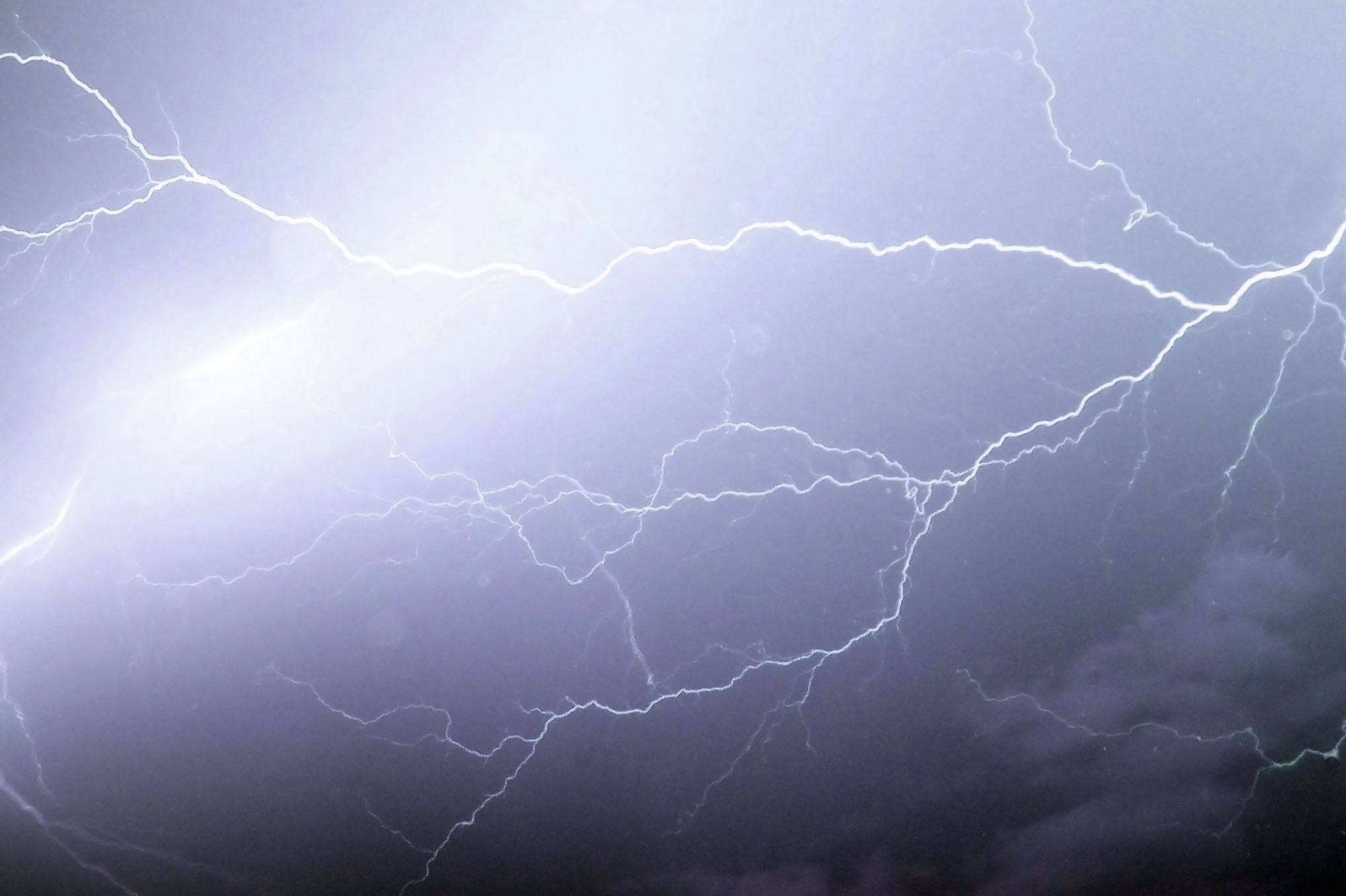
What superheats air to 50,000° Fahrenheit, travels at 90,000 miles per second, and occurs tens of millions of times each year throughout the United States? If you read the title of this article, you probably know the answer: lightning strikes.
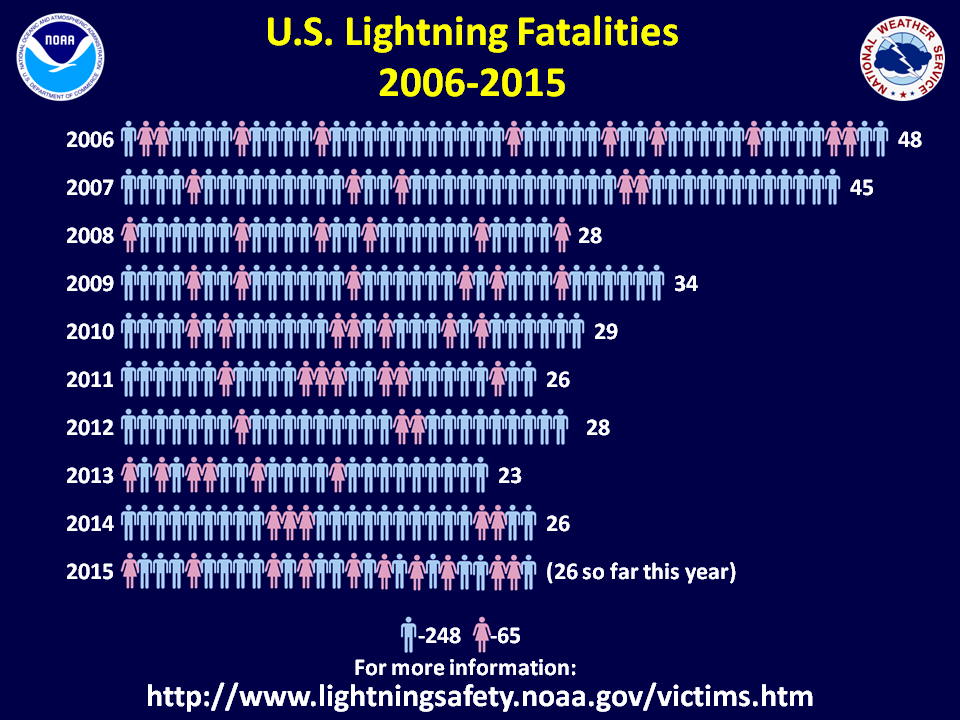
Although we often use the phrase “about as likely as getting struck by lightning” as a comparative tool for unlikely events, it’s actually much more common than you might think. The U.S. National Weather Service states that there has been an average of 49 deaths per year over the last 30 years.
That may not sound like much compared to other weather-related fatalities, but for those of us who spend substantial time outside (especially in inclement weather), it’s definitely significant enough to be aware of.
To put things into perspective, here’s an impressive video from a few weeks ago of lightning obliterating a tree in Tyler, Texas.
Wow! Check out this video of lightning striking a tree @BishopTKGorman school here in Tyler Thurs. afternoon. #etxwx pic.twitter.com/TnbUvogUhX
— Cedric Haynes KLTV (@CedricKLTV) January 22, 2016
Without context, it almost looks like the tree was hit with an explosive charge. However, the violent blast is caused by the lightning superheating and vaporizing the water in the tree trunk. Here’s a compilation of more footage of lightning strikes:
So, we’ve seen what lightning can do, but if you’re in the middle of a major storm, how can you minimize your risk? the National Weather Service cuts straight to the point on their web site: “There is no safe place outside when thunderstorms are in the area. If you hear thunder, you are likely within striking distance of the storm. Just remember, when thunder roars, go indoors.”
The NWS also dispels several myths on their site. Here’s a reality check:
- Crouching does not make you any safer from lightning strikes. Lying down may even increase your risk of injury from ground current.
- Lightning can strike 10-15 miles from the thunderstorm, even if clouds aren’t overhead.
- Height, pointy shape, and isolation are the dominant factors controlling where a lightning bolt will strike.
- Taking shelter under a tree is the second leading cause of lightning casualties. Avoid anything tall, pointy, and isolated!
- Being inside a car reduces your risk of injury, due to the metal body channeling electricity away from you. Avoid touching the doors or body.
- Being inside a building is the best way to stay safe, but avoid anything that conducts electricity.
You may think lightning will never strike you, but if you keep the tips above in mind, you can reduce your risk of becoming another statistic.